Watercolor Flower Wreath: A Delicate Embroidery Design for Sophisticated Projects
As an embroidery designer and product reviewer with years of experience in the craft, I’ve had my fair share of design trials—some that work beautifully and others that remind me why testing is so important. When I first opened the Watercolor Flower Wreath, it was clear this wasn’t just another generic floral pattern. Its soft curves and watercolor aesthetic immediately suggested a different use case than your average machine embroidery design. But how would it perform when stitched onto real-world projects like custom apparel or handmade gifts? Let’s dive into the practical side of using this design for actual embroidery work.
A First Look: Mood, Layout, and Visual Personality
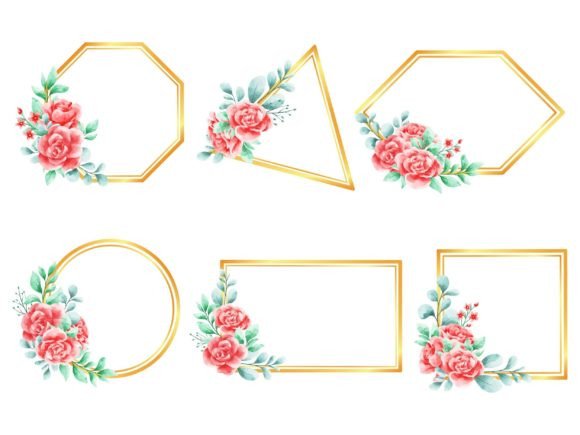
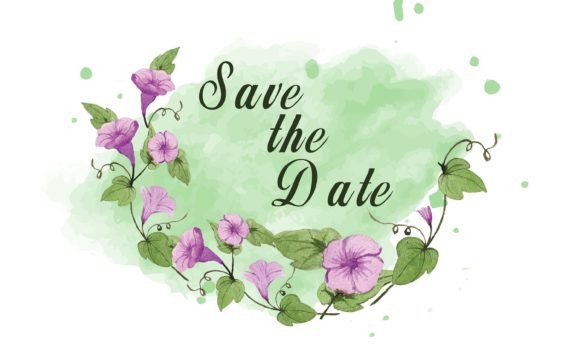
The Watercolor Flower Wreath brings a gentle, romantic vibe to any project. The layout is circular and symmetrical, which makes it ideal for framing logos, names, or phrases on items like embroidered patches, sweatshirt designs, or even tote bag graphics. The flowers are stylized with soft, flowing petals and minimal outlines, creating a dreamy, hand-painted feel. This kind of design doesn’t shout—it whispers. It works best where subtlety and elegance are key, such as in boutique branding or personalized gift embroidery.
What stands out is the balance between detail and simplicity. While there aren’t intricate filigree patterns or tiny lettering, the wreath feels alive with enough variation in petal shapes and color gradients to hold visual interest. As someone who regularly creates design assets for both personal and commercial embroidery projects, I appreciate that it maintains a professional look without being over-the-top. The file format support (.ai, .EPS, .DXF, .SVG) gives flexibility for editing in most design software, though you’ll need to confirm compatibility with your specific application before finalizing a project.
Real-Life Application: Sweatshirts, Tote Bags, and More
I tested the Watercolor Flower Wreath on a few common products to see how it translates from screen to fabric. On a cotton-blend sweatshirt, the design stitched cleanly with good coverage using satin stitch around the outer edges and fill stitch in the center. The colors were muted but still vibrant enough to make a statement. For a tote bag design, the wreath worked well as a central motif, especially when paired with a simple text overlay. The softness of the design complemented the casual nature of the item while elevating its overall appeal.
In baby embroidery, the wreath added a touch of whimsy and charm without overwhelming the garment. However, I noticed that the fine lines didn’t hold up as well on stretchy knits. That’s a red flag for those working on onesies or other flexible fabrics. The same caution applies to caps or hats, where curved surfaces can distort delicate details. If you're thinking about holiday embroidery or wedding invitations, the design fits perfectly. Its refined look suits formal occasions, and the ability to adjust thread colors allows for seasonal variations.
For custom apparel or small shop product branding, the wreath could be used as a repeating pattern or a background element. Just be mindful of stitch density—if you’re embroidering on thin fabric, you might want to reduce the number of fill stitches to avoid puckering. In general, this isn’t the type of embroidery file you’d want to densely pack across multiple areas; it thrives when given space to breathe.
Where Caution Is Key
While the Watercolor Flower Wreath has a lot going for it, it’s not without limitations. Here are some scenarios where extra care is needed:
- Small hoop sizes: The wreath’s size means it won’t fit neatly into anything smaller than a standard 6x10 hoop. You may need to scale it down carefully to maintain clarity.
- Textured fabrics: Fabrics like linen or canvas can interfere with the fine lines and subtle shading, making the design appear less cohesive.
- Thin or stretchy materials: These can cause distortion, especially if the design includes dense stitch areas. Use a stabilizer and test on scrap fabric first.
- Dark fabric backgrounds: The light thread colors included in the design don’t pop as well on darker materials. Consider changing the palette for better visibility.
- Products needing frequent washing: Dense stitching can lead to wear over time, particularly in tea towels or aprons. Opt for lighter stitch coverage or choose a more durable applique design if necessary.
Design Impact: From Handmade Product to Brand Statement
One of the biggest strengths of the Watercolor Flower Wreath is its ability to enhance the visual appeal of a finished product. Whether it's a pillow cover for a nursery or a personalized gift tag, the design adds a sense of craftsmanship and intentionality. Customers tend to respond positively to these kinds of aesthetics—they evoke warmth and artistry, which is exactly what sets handmade products apart in a crowded market.
From a business perspective, using this design on Etsy listings or at craft fairs can help build brand consistency. It’s versatile enough to be adapted into printable mockups or digital product previews, allowing you to showcase it on websites or social media without needing to stitch every version. The design also works well as a decorative accent rather than a main feature, giving you room to pair it with other elements for layered looks.
However, because of its delicate nature, it’s not the strongest choice for high-traffic commercial embroidery projects unless it’s positioned as an accent. It does shine in more niche applications like boutique merchandise or holiday gifts, where uniqueness and attention to detail matter most.
Practical Notes for Embroidery Designers and Craft Business Owners
Before integrating the Watercolor Flower Wreath into your workflow, here are a few tips based on my experience:
- Test on scrap fabric: Always run a trial stitch. Even if the design looks perfect on screen, fabric texture and tension can change everything.
- Check thread color contrast: The default palette is lovely, but consider whether it will stand out on your chosen fabric. Darker threads or metallics might offer better visibility in certain contexts.
- Review stitch density: Adjust fill stitch settings if you're working on thin or stretchy materials. Too much stitch coverage can cause puckering or distortion.
- Confirm hoop size: Don’t assume the design will fit in every hoop. Measure your intended surface and ensure the hoop is large enough to accommodate the full layout without cropping.
- Inspect small details: Look closely at the inner parts of the design. Tiny elements may require additional stabilization or adjustments for optimal stitch quality.
- Use proper stabilizer: Especially on delicate or stretchy fabrics. A tear-away or cut-away stabilizer can help maintain shape and prevent misregistration.
- Test in black and white: Sometimes, the design loses impact when printed or viewed in grayscale. Make sure it still reads clearly without color.
- Compare light and dark fabric backgrounds: The wreath performs differently depending on the base material. Light-colored fabrics highlight the softness of the design, while dark ones may require color changes.
- Confirm licensing before selling: Since this is a digital embroidery file, always verify whether it allows for commercial use. Some illustrations are only meant for personal projects.
Final Thoughts: A Thoughtful Addition to Your Design Toolkit
The Watercolor Flower Wreath isn’t a one-size-fits-all solution, but when used appropriately, it can elevate your embroidery projects significantly. It’s perfect for adding a soft, artistic touch to handmade products, personalized gifts, and small shop merchandise. As an experienced designer, I value the emotional resonance it brings to items like baby clothes or wedding gifts, helping them feel more bespoke and thoughtful.
That said, it’s important to approach this design with a clear understanding of its limitations. It needs careful placement, the right fabric, and appropriate stitch settings to truly shine. If you're an Etsy seller or craft business owner aiming for a unique, elegant look, this illustration can be a strong asset. But if you're looking for something bold and highly detailed, you might want to explore other options.
Overall, the Watercolor Flower Wreath is a beautiful example of how digital embroidery files can bring personality to mass-produced or custom items alike. With a little planning and preparation, it can become a trusted part of your creative process.