Beautiful Moth Vector Element for Embroidery Projects
As a designer and embroidery product reviewer with years of experience in creating custom apparel, personalized gifts, and commercial embroidery assets, I often find myself evaluating digital design files based on how they’ll perform when stitched. The Beautiful Moth Vector Element caught my attention not just for its visual appeal but for the practical considerations it brings to real-world embroidery work.
A Delicate Touch for Elegant Embroidery Projects
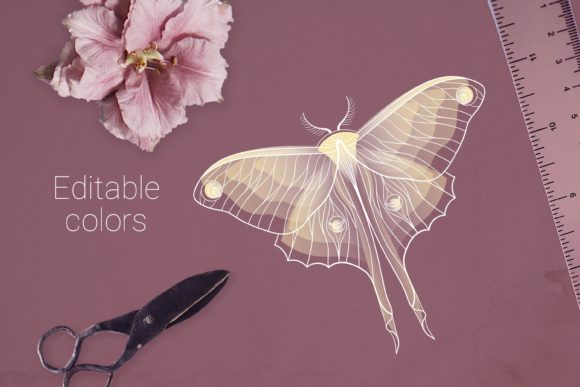
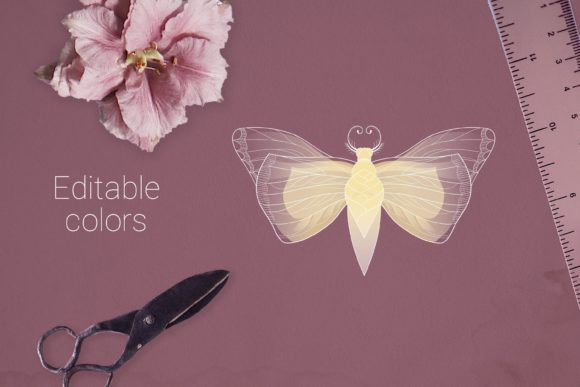
The first thing that stands out about the Beautiful Moth Vector Element is its soft, elegant aesthetic. With delicate white wings and intricate outlines, this design exudes a sense of quiet sophistication. It feels like something you’d see gracing a wedding invitation or a boutique baby item—projects where subtle beauty makes a big impact. The shape is balanced and symmetrical, which immediately suggests that it could be versatile in placement and scale.
I was especially drawn to the level of detail in the moth’s wings. The lines are clean enough to stitch clearly, yet they carry a sense of movement and grace. As an embroidery file, it gives off a vibe of being both artistic and functional, which is crucial for any design intended for use in handmade products or commercial embroidery. This isn’t just a pretty illustration—it's one that can translate well into physical form when handled with care.
Real-World Use in Custom Apparel and Handmade Products
Let’s imagine using the Beautiful Moth Vector Element on a custom sweatshirt for a client who wants something unique and memorable. The moth design would make a great central motif or a discreet accent near the hem. Its color versatility allows for easy customization; you can modify the outlines and shapes to match the brand colors or personal preferences of the customer. That adaptability is a huge plus for Etsy sellers and small shop owners looking to offer multiple variations without redesigning from scratch.
On tote bags, the moth could serve as a decorative element on the front pocket or as part of a larger layout. For baby clothes or nursery decor, the gentle nature of the design adds a touch of whimsy without overwhelming the piece. However, I would recommend avoiding placing it on stretchy fabrics unless you adjust the stitch density accordingly. Stretchy materials can cause distortion, and the fine details in the wings may lose their clarity if the fabric shifts during stitching.
In terms of stitch types, the moth lends itself well to satin stitch for outlining the body and fill stitch for the wings. A running stitch could also be used for a more ethereal effect, especially if the fabric has some texture. But again, stitch density will play a key role in the final outcome. If the design is too dense on thin fabric, it might pucker or tear. On the other hand, too sparse a stitch count might leave the image feeling flat or incomplete.
Testing the Design for Optimal Results
Before committing to a full production run or offering the moth design in your Etsy listings, it’s wise to test it on scrap fabric. This helps assess how thread colors interact with different fabric textures and whether the stitch pattern holds up under tension. I recommend trying at least two fabric types—one smooth, like cotton, and another textured, such as linen or denim—to get a good sense of how the design behaves across materials.
Also, consider how the moth looks in black and white. While it’s currently a white design, understanding its contrast against various backgrounds is essential. You might want to experiment with colored backgrounds or dark fabric to ensure visibility. If the design loses its presence on darker materials, it may need additional shading or outline adjustments before being used in a finished product.
Use with Caution: Small Hoop Sizes and Textured Fabrics
One area where the Beautiful Moth Vector Element requires careful handling is in small hoop sizes. The design’s fine details may become too tight or complex for smaller dimensions, leading to potential issues with machine embroidery. Always confirm the recommended hoop size and check the design’s scalability—if you shrink it too much, important elements like wing patterns or antennae might disappear entirely.
Textured fabrics, such as canvas or flannel, can also pose challenges. The raised texture might interfere with the precision of the stitch path, particularly in areas where there are many small curves or intricate fills. In these cases, adjusting the stitch length or using a lightweight stabilizer underneath can help maintain the design’s integrity and prevent misregistration.
Design Placement Tips for Maximum Impact
- Pillow Covers: Place the moth near the corner or center for balance. It works beautifully as a standalone graphic or paired with floral accents.
- Embroidered Patches: Ideal for adding to denim jackets or backpacks. Just make sure the patch is hooped properly and the fabric is stabilized.
- Tea Towels and Kitchen Linens: The moth becomes a subtle yet stylish touch. Pair it with simple text or seasonal motifs for holiday embroidery.
- Baby Items: Perfect for onesies, bibs, or blankets. Its softness aligns well with the gentle theme of children’s products.
Customer Appeal and Brand Consistency
When reviewing the Beautiful Moth Vector Element for use in a craft business, I considered how customers might react. Would they see it as a meaningful symbol? Would it stand out among competitors’ offerings? The answer leans toward yes, especially if you’re targeting niche markets like bohemian-style fashion, eco-conscious branding, or nature-inspired décor. The moth is often associated with transformation, elegance, and mystery—qualities that resonate with creative entrepreneurs looking to tell a story through their designs.
For those aiming for brand consistency, the design’s adaptability is a strong point. Whether you're working on a boutique logo or a line of personalized gifts, the ability to tweak the colors and placement ensures the moth can fit seamlessly into your existing design language. This flexibility is rare in vector-based illustrations and makes the design a valuable asset for long-term project planning.
Practical Notes for Embroidery Designers and Crafters
- Always test on scrap fabric to avoid surprises on the final product.
- Check thread color contrast against your chosen fabric—white can fade or show less definition on certain surfaces.
- Review stitch density, especially in detailed areas like the wings. Adjustments may be needed for specific materials.
- Confirm hoop size requirements to ensure the design fits comfortably and stitches accurately.
- Inspect small details for possible simplification if you plan to use it on stretchy or curved surfaces.
- Consider how it performs in black and white mockups to evaluate its visibility and contrast.
- Compare results on light and dark fabric backgrounds to determine its overall versatility.
- Use the appropriate stabilizer for your fabric type to prevent puckering or shifting.
- Verify whether the design is suitable for commercial projects and ensure proper licensing is in place before selling any finished items or digital assets.
Enhancing Product Value and Giftability
From a product value standpoint, the Beautiful Moth Vector Element elevates the perceived quality of any item it adorns. Whether it's a custom embroidered cap for a wedding gift or a printable mockup for digital product previews, the design brings a refined look that customers notice and appreciate. Its subtle charm makes it highly giftable, especially in categories like personalized baby items or holiday-themed textiles.
What I also appreciated is how it contributes to the handmade presentation. It doesn’t feel overly mass-produced, which is perfect for Etsy sellers and small shop owners who emphasize craftsmanship and uniqueness. When done right, it enhances the professionalism of the finished product while maintaining a warm, artisanal feel.
Final Thoughts for Creative Entrepreneurs
While the Beautiful Moth Vector Element is undeniably beautiful and adaptable, it’s not a one-size-fits-all solution. It thrives in situations where subtlety and elegance are desired but may require some tweaking for durability or visibility in high-use environments. Think carefully about the context in which it will appear—will it be on a product that gets washed frequently? Is it for a child’s clothing or a premium home décor item?
If you're considering incorporating this design into your next embroidery project, take the time to understand its limitations and strengths. Treat it like any other design asset—evaluate it holistically and don’t be afraid to make adjustments for better performance. With thoughtful application, the Beautiful Moth Vector Element can be a standout feature in your collection of machine embroidery designs, adding both style and substance to your handmade products.