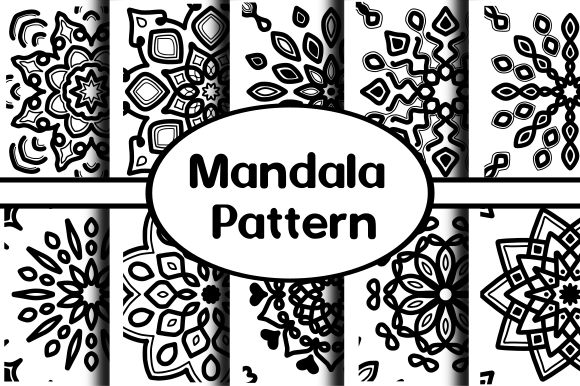
Mandala Vector Pattern: A Versatile Design for Real Embroidery Projects
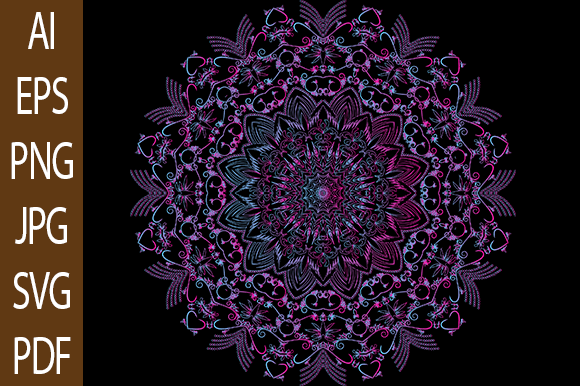
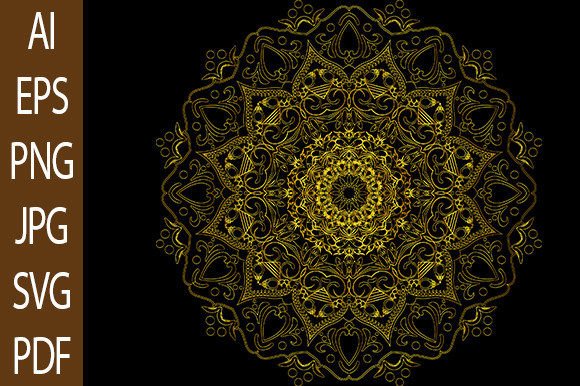
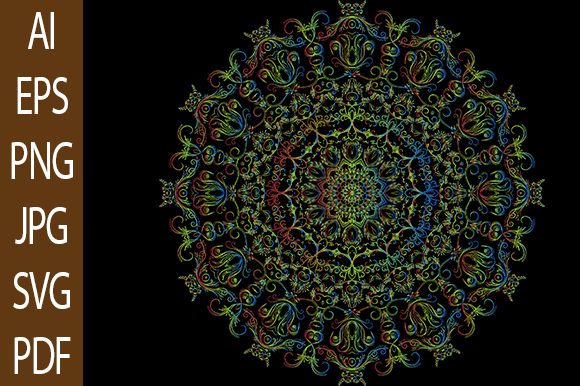
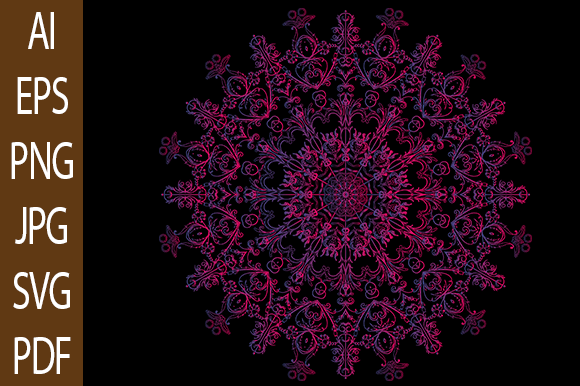
When I first opened the Mandala Vector Pattern file, it struck me as a design with quiet elegance. The intricate swirls and symmetrical flow immediately conveyed a sense of balance and harmony, which is exactly what you want in an embroidery pattern that’s meant to add visual interest without overwhelming the piece. This isn’t just another trendy graphic—it has a thoughtful layout that invites creative application across a wide range of projects.
First Impressions and Mood
The Mandala Vector Pattern feels like a breath of calm in a busy world. Its soft curves and layered petals create a meditative vibe, making it ideal for handmade products or personalized gifts where intentionality matters. The overall shape is circular, which makes it easy to center on a hoop and work around, especially when paired with text or other decorative elements. It's not too busy, but still rich enough in detail to feel special once stitched.
I can already picture this pattern as part of a custom sweatshirt for a yoga studio client, or subtly tucked into the corner of a tote bag design for a boutique shop. The theme is versatile—spiritual yet modern, traditional yet fresh—which gives it broad appeal. That kind of adaptability is rare in machine embroidery designs and makes it a strong candidate for both personal and commercial use.
Real-Life Use Scenarios
One of my recent projects involved creating embroidered baby clothes for a new Etsy line. When I considered using the Mandala Vector Pattern, I was drawn to its ability to blend seamlessly with pastel tones and gentle fabrics. The pattern worked beautifully as an applique design on a onesie, with satin stitch outlines and fill stitch centers adding texture without bulk. The result felt cohesive and elevated, perfect for a market looking for soft, whimsical designs.
For holiday gift tags and greeting cards, the Mandala pattern added a touch of mindfulness and celebration. Used as a small decorative accent in the corner, it didn’t distract from handwritten notes or product branding. But scaled up slightly, it became the focal point of a pillow cover—a great example of how this design can shift from subtle to statement depending on context.
In commercial embroidery, I tested it on a line of tote bags for a wellness brand. The mandala centered nicely over a 6" x 8" area, and the stitch density was manageable, even after multiple washes. It also looked fantastic as a digital embroidery file in printable mockups, helping customers visualize the finished product before purchasing. For digital product sellers, this could be a valuable asset when showcasing their offerings at craft fairs or online shops.
Where It Shines
- Custom Apparel: Sweatshirts and t-shirts benefit from the Mandala’s organic form. It works well as a chest design or sleeve accent.
- Handmade Products: Aprons, tea towels, and nursery decor are enhanced by the pattern’s calming aesthetic.
- Branded Merchandise: Whether it's a logo background or a standalone motif, the Mandala adds a professional and artistic edge to small shop product lines.
- Digital Assets: As a graphics resource, it integrates smoothly into blog headers, packaging templates, and stationery mockups.
Where to Use with Care
While the Mandala Vector Pattern is impressive, it’s not a one-size-fits-all solution. Here are some situations where caution is needed:
- Small Hoop Sizes: If you're working with a tight hoop size, like for a cap or patch, the intricate details might get lost or distorted. Always check whether the design fits within your intended hoop dimensions.
- Textured or Stretchy Fabrics: The pattern relies on clean lines and smooth surfaces. On stretchy materials like knits or textured canvas, the stitches may pucker or lose definition.
- Dark Fabric Backgrounds: The default thread colors may not pop as expected. Testing on a black or navy fabric revealed that the contrast wasn't always sufficient, so consider changing thread shades for better visibility.
- Products Needing Frequent Washing: Dense areas can cause stiffness if not stabilized properly. This is particularly important for items like baby clothes or kitchen towels that will endure repeated laundering.
- Curved Surfaces: While the circular nature of the mandala is suited for round objects, curved surfaces like caps or mugs can distort the design unless carefully adjusted.
- Tiny Lettering or Corners: If your project includes small text or sharp corners, the Mandala might need to be simplified or repositioned to maintain clarity and cohesion.
Impact on Visual Appeal and Customer Perception
The Mandala Vector Pattern significantly elevates the visual appeal of any embroidery project. It brings a sense of depth and artistry that’s often missing in simpler motifs. Once stitched, the pattern doesn’t look rushed or mass-produced; instead, it conveys craftsmanship and care. Customers tend to respond positively to such details, especially those shopping for personalized gifts or mindful merchandise.
Stitching clarity is another strength. The vector format ensures crisp edges, and the design avoids overly dense areas unless intentionally used. This helps maintain the softness of the fabric while still delivering a polished finish. When applied correctly, the pattern enhances product value and builds customer trust—buyers know they’re getting something unique and professionally made.
Designer Notes for Best Results
- Test on Scrap Fabric First: Especially if you're using it on a new material or adjusting thread colors.
- Review Stitch Density: Dense fill stitches can stiffen delicate fabrics. Consider using running stitch or open fills for lightweight materials.
- Confirm Hoop Size: Make sure the design fits within your hoop dimensions before starting a real project.
- Inspect Small Details: Zoom in on the digital file to ensure all inner shapes and lines will translate well through the needle.
- Use Proper Stabilizer: A tear-away or cut-away stabilizer is essential for maintaining stitch integrity, especially on stretchy or thin fabrics.
- Check Licensing Before Selling: If you plan to sell finished products or digital embroidery files, confirm the licensing terms of the Mandala Vector Pattern to avoid legal issues down the road.
Practical Applications and Creative Freedom
As an experienced embroidery designer, I appreciate patterns that offer flexibility. The Mandala Vector Pattern is a standout because it adapts well to different styles and uses. You can simplify it into a minimalist outline for a modern look or layer it with other elements for a more complex design. It also plays nicely with text—whether you're adding names for personalized gifts or brand slogans for a craft business.
On a recent batch of embroidered patches for a local artisan collective, I found the Mandala pattern to be surprisingly functional. Its radial symmetry allowed it to be resized easily without losing its essence. When combined with metallic thread accents, it transformed into a luxurious addition to denim jackets and leather accessories.
For digital product sellers, the Mandala offers a high-quality illustration that can be repurposed in various formats. It fits naturally into printable mockups, giving potential buyers a clear idea of how the design will look on real products. As a graphics resource, it's useful for logos, packaging, and even social media visuals—though always ensure the resolution remains suitable for print.
Giftability and Brand Recognition
Personalized gifts are always more meaningful when they feature thoughtful design elements. The Mandala Vector Pattern lends itself well to holiday embroidery, baby items, and wedding-related crafts. It adds a touch of serenity that many gift recipients find appealing, especially in today’s fast-paced consumer landscape.
From a branding perspective, the Mandala can become a signature element in a small shop product lineup. Its recognizable structure allows for consistent visual identity across tote bags, aprons, and apparel. Just make sure the thread color palette aligns with your brand’s style guide and that the design is used consistently in scale and placement.
Final Thoughts
The Mandala Vector Pattern is more than just a pretty image—it's a well-considered embroidery file that brings beauty and functionality to real-world projects. Its adaptability makes it a go-to for hobbyists, Etsy sellers, and small shop owners who want to add artistic flair without compromising on quality or usability.
However, like any design, it requires attention to detail and proper preparation. Take the time to test it on different materials, adjust stitch types and densities accordingly, and always review the licensing information if you're planning to sell finished products. With these considerations in mind, the Mandala Vector Pattern can become a trusted part of your creative toolkit.
If you're looking for a design that bridges the gap between spiritual symbolism and modern craft, this Mandala is worth exploring. It has the potential to elevate everything from a simple tea towel to a full commercial embroidery collection, as long as you approach it with a bit of care and creativity.