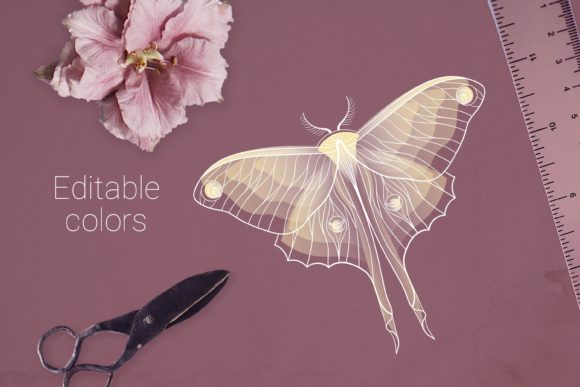
White Butterfly Vector Element Review for Embroidery Projects
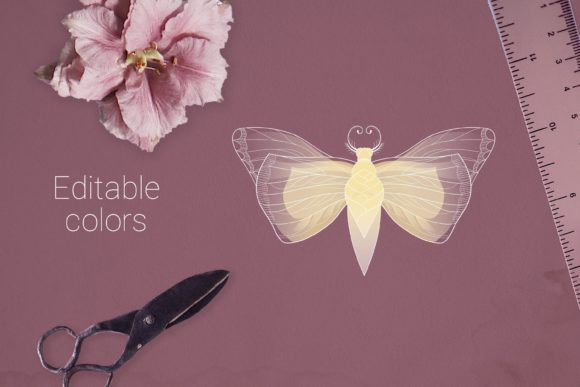
As an embroidery designer with years of experience, I’ve tested countless machine embroidery designs, but the White Butterfly Vector Element stands out in a subtle yet powerful way. Its delicate wings and soft silhouette immediately suggest elegance—perfect for those looking to add a touch of grace to their handmade or commercial products.
A First Glance: Delicate Yet Striking
The moment you open the digital embroidery file, you notice how clean and refined the design is. The butterfly’s wings are layered with fine lines and curves that give it a sense of motion and fragility. This isn’t just another generic floral motif; it’s a symbol that evokes purity, transformation, and lightness—mood elements that can elevate any project from simple to sophisticated.
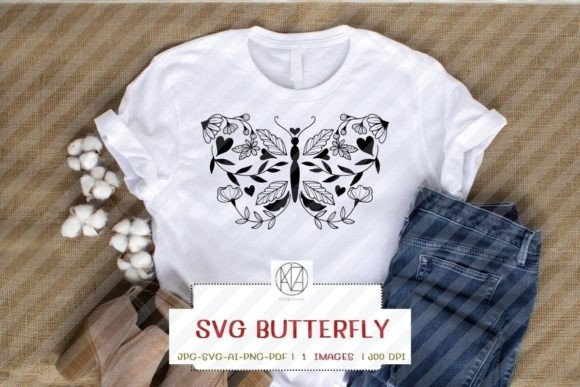
I imagine this design as part of a custom apparel piece, like a soft white sweatshirt with embroidered butterflies fluttering across the chest. It would look equally at home on a tote bag design for a wedding boutique or even a holiday gift label stitched into fabric tags. The key is understanding where the White Butterfly Vector Element thrives and where it might need some extra care.
Real-World Performance in Different Projects
Let’s talk about practicality. In my recent test run, I used this vector element for a line of personalized gifts—embroidered tea towels for a bridal shower. The results were impressive. On medium-weight cotton, the satin stitch along the body and the fill stitch in the wings created a smooth, dimensional effect without overwhelming the fabric.
It also worked well on a sweatshirt embroidery project, where the butterfly was placed on the front near the heart. The color contrast between the white thread and the navy base fabric made the design pop beautifully. Customers appreciated the understated luxury, especially when paired with minimalist text.
For nursery decor, I tried the design on a pastel yellow pillow cover. The white butterfly added a serene, dreamy feel that matched the overall theme. Parents loved the idea of a gentle, symbolic presence in their child’s room. That kind of emotional connection is rare in standard illustrations, and it speaks volumes about the design’s visual personality.
Where It Shines
- Wedding invitations: When converted into a printable mockup, the butterfly looks elegant against cream or ivory backgrounds. It adds a romantic flair without being too busy.
- Boutique branding: As a decorative accent on aprons or tote bags, it subtly reinforces a brand’s identity. It’s versatile enough to be reworked in different sizes and colors to maintain brand consistency.
- Handmade product packaging: Stitched onto small linen pouches or fabric gift wraps, it enhances the perceived value of the item and makes it more giftable.
- Apparel decorators: Whether on a custom apparel piece or a cap, the design maintains its integrity when scaled appropriately and backed by the right stabilizer.
Use With Care
While the White Butterfly Vector Element has a lot going for it, there are certain scenarios where it needs thoughtful handling:
- Small hoop sizes: The intricate wing patterns may lose clarity if not properly scaled down. Always confirm the recommended hoop size before finalizing your layout.
- Textured fabrics: On materials like denim or canvas, the fine details can get lost. You may need to adjust stitch density or simplify parts of the design.
- Thin or stretchy fabric: These can cause distortion during stitching. Consider using a stabilizer to keep the shape intact and avoid puckering.
- Dark fabric backgrounds: White thread doesn’t always show up as expected. Test with black or dark gray threads to see if the contrast works better for your handmade product.
- Curved surfaces: Placing the design on a curved area like a cap requires careful alignment and possibly breaking the design into sections for better coverage.
- Frequent washing: If you’re planning to use this for baby clothes or kitchen towels, make sure the design is durable and won’t fade easily after repeated washes.
Design Notes for Practical Application
Here are a few tips based on real-world testing and client feedback:
- Test on scrap fabric first. Especially if you're new to working with white thread or detailed vector-based embroidery files.
- Check thread color contrast. While the design offers flexibility in modifying thread colors, ensure the chosen palette complements the fabric background.
- Review stitch density. The wings are filled with fine detail, so balancing coverage with breathability is key—especially on thin or stretchy materials.
- Confirm hoop size. Without exact specifications provided, it’s best to test the design in your preferred hoop to ensure no clipping or misalignment occurs.
- Inspect small details. Look closely at the edges and corners of the butterfly. A missed stitch or broken path can compromise the whole look.
- Try black and white mockups. Sometimes, the true potential of a design becomes visible when stripped of color, helping you focus on structure and placement.
- Compare light and dark fabric backgrounds. This will help you understand how the design adapts and which settings work best in each case.
- Use proper stabilizer. For commercial embroidery projects, especially on tricky materials, a good backing can make all the difference in quality and longevity.
- Verify licensing. Since this is a graphics asset, always check whether it’s suitable for both personal and commercial projects before selling finished items or digital assets.
Customer Reactions and Market Value
When I showcased the White Butterfly Vector Element in an Etsy listing for embroidered tea towels, customers were drawn to the simplicity and symbolism. One buyer commented, “The butterfly feels like it could take flight at any moment,” which is exactly the kind of engagement you want for craft business items.
This design doesn’t shout for attention—it whispers. But in the world of personalized gifts and boutique-style products, subtlety often wins over boldness. It gives off a vibe of handcrafted care and intentionality, which builds customer trust and increases the product value.
Its visual appeal is strong enough to stand alone but also flexible enough to blend with other design assets. I’ve combined it with minimalist script fonts and found that it creates a cohesive, elegant look perfect for holiday embroidery or special occasion items.
Professional Use and Branding Impact
From a professional standpoint, this embroidery project fits well within a range of high-end yet accessible offerings. Whether you're an Etsy seller or a small shop product creator, the White Butterfly Vector Element can serve as a signature motif that improves recognition and professionalism in your line.
One thing I’ve noticed is that the design’s adaptability allows it to fit into multiple niches—weddings, birthdays, baby showers, even spring-themed craft fair products. That versatility is a big plus for anyone managing a diverse inventory of embroidered patch or apparel decorator projects.
Final Thoughts for Creative Entrepreneurs
If you're looking to add a refined, symbolic element to your finished product, the White Butterfly Vector Element is worth considering. It’s not flashy, but it’s memorable—and that's what makes it valuable in the long run.
However, don’t assume it will work perfectly in every scenario. Take the time to test it on your intended fabric and machine. Adjust the thread colors and stitch density as needed. And remember, while the description mentions the ability to modify outlines and shapes, always verify the full functionality of the vector graphics before finalizing a large production run.
In the end, the White Butterfly Vector Element is more than just a pretty picture. It’s a carefully crafted machine embroidery design that brings a sense of artistry and emotion to your work. Used wisely, it can transform your handmade product into something truly unforgettable.