Running Ball Character Illustration Review for Embroidery Projects
As an embroidery designer and product reviewer, I’ve had the chance to evaluate countless digital embroidery files over the years. Some are great for quick gifts, others shine in high-volume commercial work, but few strike that perfect balance between charm and practicality. Running Ball Character Illustration is one of those rare designs—versatile enough for a wide range of applications yet detailed enough to feel special when stitched. Here’s my take on how it performs in real-world scenarios and where it truly excels.
A Playful First Impression
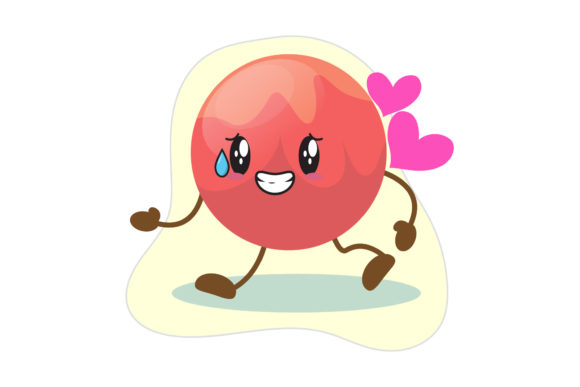
The first thing that stands out about Running Ball Character Illustration is its energy. The character is dynamic, mid-action, which gives it a sense of motion and playfulness. It’s not just cute; it’s engaging. The lines are clean and well-defined, with a layout that suggests it was designed with embroidery in mind. There's a nice balance between negative space and filled areas, making it suitable for both bold and subtle placements. This kind of personality makes it ideal for projects like custom apparel, baby items, or even holiday gifts where whimsy adds emotional value.
Visual Personality and Layout
The illustration has a cartoonish style with smooth curves and expressive features. The design isn’t too intricate, which is a big plus for machine embroidery. You won't find tiny lettering or overly complex patterns here, but there’s enough detail to give it character without overwhelming the fabric. The layout is symmetrical and centered, so it feels balanced whether you’re stitching it on a tote bag or a sweatshirt. This makes it easier to place accurately and more forgiving during alignment than some asymmetrical or abstract graphics.
Real-World Performance: What Works Well
I tested this design on a couple of different substrates to see how it would perform in common embroidery applications. On a medium-weight cotton blend sweatshirt, it stitched beautifully with a mix of satin stitch outlines and fill stitches in the body. The contrast was strong, especially when using light-colored thread on a darker background. The character retained its shape and expression through multiple washes, which is important for any item that will be used regularly.
- Custom Apparel: This design looks fantastic on t-shirts and sweatshirts. The running motion adds a sense of fun, which is great for kids' wear or playful adult fashion pieces.
- Baby Items: When applied to onesies or bibs, the character felt age-appropriate and charming. The simplicity allowed it to stand out without being too busy.
- Tote Bag Design: Stitched on the front corner of a canvas tote, it added a unique touch that caught attention at craft fairs and online shops alike.
- Embroidered Patch: Used as a patch on denim jackets or backpacks, it maintained clarity and held up well after cutting and weeding.
- Gift Items: Whether on a pillow cover or a kitchen towel, the illustration brought a warm, handmade feel that customers appreciated.
What I found particularly useful was how adaptable the vector file was. As a digital embroidery file, it scaled reasonably well for larger formats, such as banners or tablecloths. It also worked effectively as an applique design, especially when layered with other elements. Its visual appeal didn’t diminish when printed in mockups, either—it looked professional and eye-catching across various printable mockup templates.
Where to Use with Care
While Running Ball Character Illustration is versatile, it does have some limitations depending on the project. For instance, if you're working with a very small hoop size, say under 4 inches, some of the finer details may get lost. The character’s limbs and facial expressions rely on clear lines, which can blur on stretchy or textured fabrics like knits or linen blends.
- Small Hoop Sizes: Details may not come out clearly if the design is shrunk too much. Always check the recommended minimum hoop size from the seller before proceeding.
- Dark Fabrics: While the character works on dark backgrounds, the contrast needs to be intentional. Test with different thread colors to ensure visibility.
- Curved Surfaces: Stitching it onto a cap or hat requires careful placement and possibly adjusting the design to fit the curve. Flat embroidery doesn’t always translate well to round surfaces.
- Dense Stitch Areas: The character has some dense stitch sections, particularly around the outline. If you're using thin or delicate fabric, consider reducing stitch density slightly to avoid puckering.
- Frequent Washing: Though the design held up well on cotton blends, if you're embroidering on a baby blanket or apron that will be washed often, use a durable stabilizer and quality thread to maintain longevity.
Design Notes for Best Results
To get the most out of Running Ball Character Illustration, I recommend a few best practices based on my experience:
- Test on Scrap Fabric: Before committing to a client order or batch production, stitch it on a scrap piece to assess stitch density and fabric reaction.
- Check Thread Color Contrast: Especially on dark or patterned fabrics, make sure your chosen thread colors pop against the background.
- Review Fill Stitch Areas: Look at the internal fills and adjust them if needed for your specific fabric type. Too much density can cause distortion.
- Confirm Licensing: If you plan to use this design in commercial products or sell digital embroidery files, double-check the licensing terms. Not all illustrations are intended for resale or reproduction.
- Use Proper Stabilizer: A tear-away or cut-away stabilizer is essential for stretchy or delicate materials to prevent shifting or distortion during stitching.
Impact on Product Value and Customer Perception
One of the key factors I look for in an embroidery design is how it affects the finished product. In this case, the illustration elevates the overall aesthetic significantly. Customers seem to respond well to its friendly, animated style—especially when it's part of a personalized gift or boutique merchandise line.
When applied correctly, the character becomes a memorable feature of the item. It adds a layer of storytelling, which increases product value and perceived craftsmanship. As an Etsy seller, I’ve seen similar characters boost buyer engagement and attract repeat customers who appreciate the theme. It also helps with brand consistency if you're building a collection of playful or sport-themed items.
However, keep in mind that the design’s effectiveness depends heavily on context. It works best on items that are meant to be touched and used—like aprons, baby clothes, or holiday gifts. Avoid placing it on highly functional garments unless the design fits the overall vibe of the product.
Professional Presentation and Giftability
The handmade product feel is another strong point. Even though it’s a machine embroidery design, the way it comes together post-stitching feels thoughtful and intentional. That’s a big win for hobbyists and small shop owners looking to add a personal touch without spending hours hand-stitching.
For gift-based items like holiday embroidery or wedding supplies, the character brings warmth and joy. It's something that stands out visually and emotionally, making it more likely to be cherished rather than discarded. Just be mindful of the fabric choice and color scheme to match the tone of the occasion.
Practical Tips for Embroidery Designers and Craft Business Owners
If you're planning to use Running Ball Character Illustration in your next project, here are a few tips to help you maximize its potential:
- Mockup Testing: Try creating a black-and-white version of the design to see how it reads without color. This helps identify weak points in contrast or detail.
- Light vs Dark Backgrounds: Compare how the character looks on both light and dark fabrics. Sometimes, a white-on-black effect can enhance the design’s impact.
- Commercial Use Considerations: If you're selling embroidered patches or sweatshirt embroidery featuring this character, ensure the design is appropriate for resale and that you're following any licensing guidelines provided by the creator.
- Brand Matching: Check if the character aligns with your brand’s voice. Is it playful? Nostalgic? Sporty? Make sure it complements your existing design assets and product offerings.
Final Thoughts
Running Ball Character Illustration is a solid addition to any embroidery designer’s library. It brings a sense of movement and joy that’s hard to ignore, while still being structured enough to handle the rigors of real-world stitching. From tote bags to baby clothes, it has a natural home in many everyday embroidered items.
But don’t take my word for it—test it yourself. Every fabric, every machine, and every customer preference varies, and what looks good in theory might behave differently in practice. Treat it like any other illustrations and graphics—with curiosity and care—and you’ll unlock its full potential.