Flower Bouquet Drawing Line Art Review: A Versatile Embroidery Design for Real Projects
As an embroidery designer with years of experience in both personal and commercial projects, I always take a moment to carefully evaluate any new design before incorporating it into my work. The Flower Bouquet Drawing Line Art caught my attention as a clean, elegant black-and-white line art piece that promises to bring a soft yet refined touch to various embroidered items. In this review, I’ll walk you through how this design holds up under real-world conditions and what makes it suitable—or not—for different applications.
A First Look at the Design
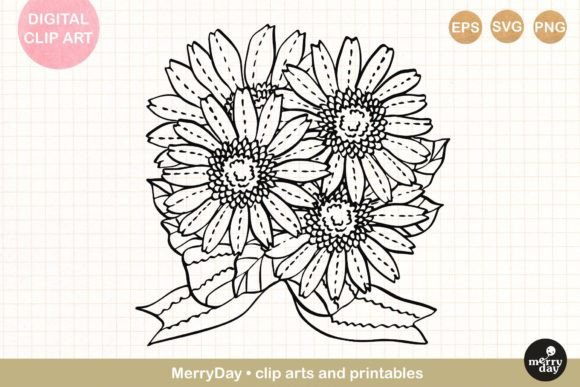
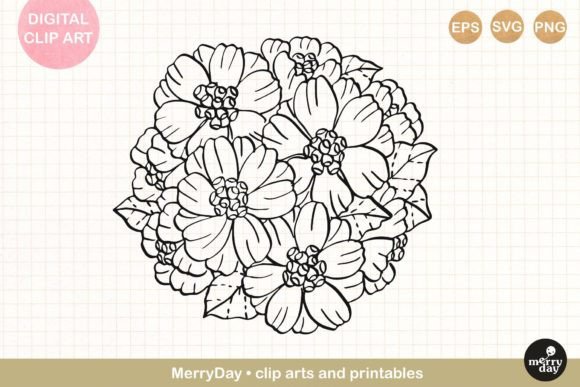
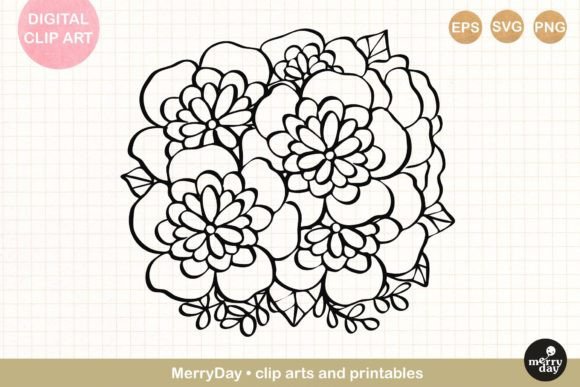
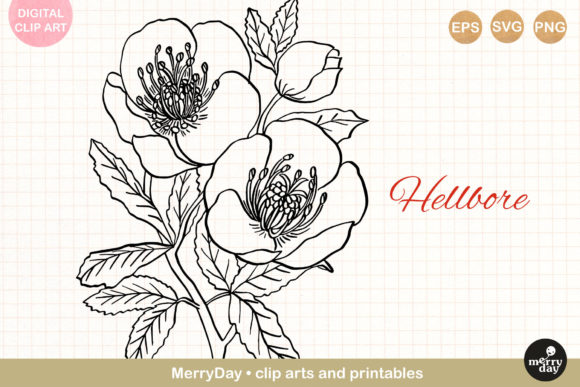
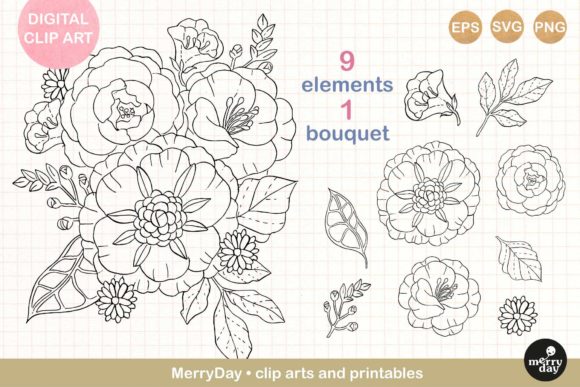
The Flower Bouquet Drawing Line Art immediately gives off a sense of simplicity and sophistication. It’s a stylized floral arrangement composed of delicate lines and subtle curves, suggesting a hand-drawn origin. The lack of color allows for flexibility in thread choice, making it ideal for those who want to experiment with hues or match brand palettes. The composition feels balanced, with enough detail to be visually engaging but not so intricate that it becomes overwhelming.
This kind of design naturally fits into stationery, greeting cards, and wedding invitations—where elegance is key. But its potential goes beyond paper. When I first saw it, I imagined it stitched onto a white linen tote bag or as part of a baby apparel collection. The graphic nature of the line art makes it adaptable to a range of scales and purposes, though there are some nuances worth considering.
Real-Life Use Cases and Performance
Let’s talk about practicality. I’ve used similar line art designs in several contexts over the years, and they tend to perform best when applied to flat, medium-weight fabrics like cotton blends, quilting cotton, and felt. Here’s where I think Flower Bouquet Drawing Line Art shines:
- Custom Apparel: On sweatshirts or t-shirts, especially those made from woven cotton, this design can look stunning when stitched using a single thread color. It adds a minimalist aesthetic that appeals to customers looking for understated style.
- Tote Bag Design: Stitching this on a large canvas tote works well if you’re aiming for a decorative pocket or label. Its clean lines stand out without competing with other elements.
- Baby Embroidery: The gentle, organic feel of the bouquet could make it perfect for a personalized onesie or a nursery wall hanging. Just be sure to use stabilizer and test the stitch density to avoid distortion.
- Embroidered Patch: This design could also serve as a background element for a patch. Pair it with a few satin-stitched initials or a small motif in the center for a custom look.
- Commercial Embroidery: For Etsy sellers and craft business owners, this design can become a signature asset. It looks professional in digital product previews and printable mockups, helping build brand recognition across handmade shop products.
What I appreciate most is how the Flower Bouquet Drawing Line Art maintains clarity even when scaled down. Unlike some complex illustrations, it doesn’t lose definition unless pushed too far. That said, the level of detail might require more careful handling depending on your equipment and fabric choices.
Where Caution Is Needed
While the Flower Bouquet Drawing Line Art is versatile, there are certain situations where it may need adjustments or shouldn’t be used at all. Here are a few things to watch out for:
- Small Hoop Sizes: If you're working with a hoop smaller than 4x4 inches, consider simplifying the design or focusing on a central section. The full bouquet might get lost in scale.
- Textured Fabrics: On flannel, denim, or thick wool, the fine lines might not stitch as clearly. You may need to adjust stitch spacing or use a finer needle.
- Stretchy or Thin Materials: Stretchy knits like jersey can distort the shape during stitching. Thin materials, such as muslin or lightweight rayon, risk showing the backside of the embroidery if not properly stabilized.
- Dark Fabric Backgrounds: While the line art is bold, it still relies heavily on contrast. On dark-colored fabrics, a light thread (like cream or white) will pop better than black, which can blend in or appear matted rather than vibrant.
- Curved Surfaces: When applying it to caps or curved surfaces, check how the design bends around the shape. You may need to rotate or reshape parts of the file to maintain proportion and clarity.
- Frequent Washing: If the design is going on items like aprons, tea towels, or baby clothes, ensure you use quality threads and proper backing to prevent fraying or fading over time.
Design Notes for the Craft Business Owner
One thing I always do before committing to a design is stitch it on scrap fabric. This helps me see how the Flower Bouquet Drawing Line Art translates from screen to thread. I recommend doing the same, especially since the product description doesn’t specify exact stitch counts or machine compatibility. Without that data, it's crucial to verify the file yourself or ask the seller for details.
When working with this machine embroidery design, pay close attention to the thread colors you choose. Since it’s a black-and-white illustration, you have creative freedom—but also responsibility. A mismatched thread palette can dull the visual impact. I prefer using a single thread shade with varying densities for fill areas to create subtle depth while keeping the design true to its original form.
Also, inspect the corners and detailed sections. Line art often has fine strokes that may translate into running stitches or sparse fill stitches. Make sure your machine can handle these accurately and that your stabilizer supports the weight and tension of the embroidery head.
Impact on Visual Appeal and Customer Engagement
From a customer perspective, the Flower Bouquet Drawing Line Art brings a sense of warmth and creativity to any project. It’s not just another floral pattern—it feels curated and thoughtful. As someone who creates personalized gifts and small shop products, I know how much presentation matters. This design elevates the finished product by adding a handcrafted flair that speaks to buyers seeking uniqueness and care in their purchases.
In terms of handmade product value, it enhances the perceived quality. The clean lines suggest professionalism and intentionality, which can increase customer trust and justify higher pricing points. For holiday embroidery or boutique branding, it serves as a subtle yet recognizable design asset that ties together multiple items in a cohesive collection.
Practical Application Tips for Embroidery Designers
Here are a few tips I’ve picked up while integrating line art into my own embroidery projects:
- Test on Scrap Fabric: Always stitch a sample before moving to final products. It reveals how the design behaves with different threads and fabrics.
- Review Stitch Density: Especially in the flower centers and stems. Too dense and it risks puckering; too sparse and it loses definition.
- Confirm Hoop Size: Some files require specific hoop sizes for optimal results. If unsure, ask the seller or try scaling it down/up slightly to see how it affects performance.
- Use Proper Stabilizer: A tear-away or cut-away stabilizer can make a big difference, particularly on stretchy or thin materials.
- Check Licensing Before Selling: If you plan to sell finished items or include this in digital product kits, confirm whether the design allows commercial use. This is essential for Etsy sellers and digital embroidery file resellers.
I’ve found that this type of line-based embroidery file works best when paired with solid text or simple shapes. For example, adding the bouquet as a border next to a name or date on a wedding invitation can give your design a polished finish. It also pairs nicely with other design assets in a layered approach—like placing it behind a satiny applique or using it as a base for a fill stitch overlay.
Final Thoughts
The Flower Bouquet Drawing Line Art is a strong addition to any embroidery designer’s toolkit. It offers a fresh, modern alternative to traditional florals and can fit seamlessly into both casual and formal projects. However, its success depends on thoughtful application and understanding of how line art behaves differently from shaded or colored graphics.
If you're looking to add a touch of artistic elegance to your sweatshirt embroidery, holiday gift tags, or custom apparel range, this design is worth exploring. Just remember to test, adjust, and stabilize appropriately to ensure the best outcome. Whether you're crafting for personal joy or growing your craft business, taking these steps will help you deliver a finished product that customers love—and that stands the test of time.