Anemone Flower Line Art: A Delicate Embroidery Design for Sophisticated Projects
As an embroidery designer with years of experience working on both personal and commercial projects, I always take a moment to evaluate how a new design will perform in real-world applications. Recently, I had the opportunity to review the Anemone Flower Line Art design, and here’s what I found after testing it across various materials and uses.
First Impressions: Elegance in Simplicity
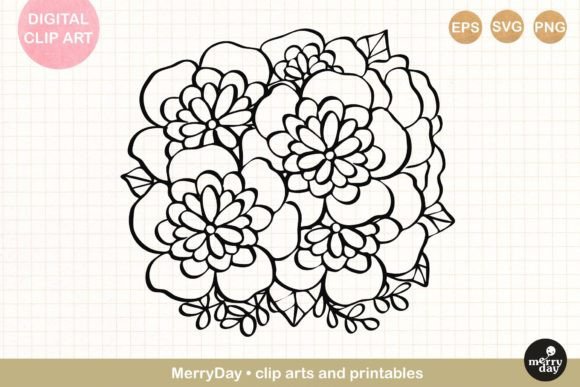
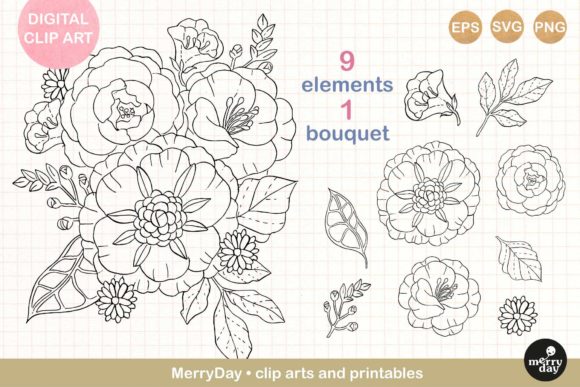
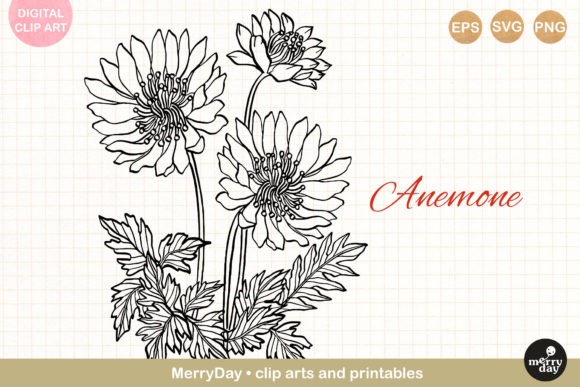
The Anemone Flower Line Art immediately caught my eye with its clean, minimalist aesthetic. The line drawing style is soft yet structured, creating a sense of delicate sophistication without overwhelming the viewer. This design doesn’t shout; it whispers — making it ideal for subtle branding, elegant stationery, or adding a touch of romance to custom apparel and gifts.
Its layout is well-balanced, with petals that flow naturally outward from the central bloom. The lack of shading means the focus remains on form and line quality, which feels especially refined when stitched in satin or running stitch formats. The visual personality of this design is romantic and timeless, fitting seamlessly into themes like weddings, Valentine’s Day, or boutique-style branding.
What Kind of Project Fits Best?
This design would shine most on products where simplicity and elegance are key. Think of it as a quiet statement piece rather than a bold focal point. It works beautifully as an accent on tote bag designs, sweatshirt embroidery, or even photo albums and journals. Its fine lines also make it a natural fit for card stationery design and wedding invitations, where too much detail can clutter the composition.
Real-Life Performance: From Hoop to Fabric
I tested the Anemone Flower Line Art on a few different items to see how it translates from digital embroidery file to finished product. Here’s a breakdown:
- Custom Apparel: On a cotton sweatshirt, the flower looked graceful and well-defined. The lines were crisp enough to stand out without being too heavy. When paired with a small text label, it created a charming personalized gift feel.
- Baby Clothes: As part of a larger floral arrangement on a onesie, it added a gentle, whimsical touch. The softness of the design complements baby-related embroidery perfectly, avoiding anything too intense or busy.
- Pillow Covers & Aprons: Stitched using a combination of satin stitch and fill stitch, the design retained its charm. On linen fabric, the contrast was just right, but on thinner materials, some details began to fade slightly.
- Embroidered Patches: The design worked well when converted into an applique design, though care had to be taken with the placement of smaller elements to ensure they didn’t become lost in the backing.
- Tea Towels & Tote Bags: These are perfect canvases for the Anemone Flower Line Art. The design looks great in both color and monochrome, and its scale adapts nicely to these everyday-use items.
Design Integrity on Different Fabrics
One of the first things I noticed is how important fabric choice is with this design. While it performs admirably on medium-weight cotton and linen, I recommend caution when using it on textured fabrics or those with a high thread count. Fine lines can get distorted if the fabric surface isn’t smooth or stable. Similarly, stretchy fabrics may cause slight warping unless you use the correct stabilizer and hoop tightly.
On dark fabric backgrounds, the design still holds up thanks to its strong negative space. However, the effect is more dramatic than subtle. If you're going for understated beauty, light-colored cottons or blends tend to highlight the design better.
Where to Use Carefully
Though versatile, the Anemone Flower Line Art has limitations that are worth considering before stitching:
- Small Hoop Sizes: Some of the finer petal edges might not translate clearly if you’re working within tight hoop size constraints. Always check the overall dimensions of the design against your project needs.
- Layered Garments: When applied to layered materials like double-knit sweaters or quilted items, the depth of the fabric can cause shadows or uneven stitch tension. Test it on a sample first.
- Curved Surfaces: Embroidering onto caps or curved surfaces requires extra attention. The curvature can stretch the design, so consider scaling down or adjusting the layout accordingly.
- Detailed Corners: The intricate corners of the anemone’s inner structure need a steady hand and good machine calibration. Any misalignment could affect the final look.
- Frequent Washing Items: For kitchen towels or other washable goods, make sure the stitch density is sufficient to withstand repeated laundering without fraying or losing shape.
Thread Color Considerations
Since the design is essentially a line drawing, the choice of thread colors is critical. I used a single-color white thread on navy fabric, and the result was striking. But if you want to add dimension, consider using two or three shades of the same hue to enhance the depth subtly. Just avoid overly contrasting colors unless you're aiming for a bold effect — the design’s beauty lies in its subtlety.
Visual Appeal and Branding Potential
What makes the Anemone Flower Line Art particularly appealing is its ability to blend seamlessly into both modern and vintage aesthetics. Whether you're designing a handmade product for a local craft fair or preparing a batch of small shop products for an Etsy listing, this design brings a level of artistry that elevates the overall presentation.
It adds a layer of professionalism to any embroidery project and helps create brand consistency when used across multiple items — like logo patches, tote bags, and greeting cards. Customers often associate clean, detailed line drawings with quality and intentionality, which boosts customer trust and increases perceived product value.
Giftability and Recognition
When I used the Anemone Flower Line Art on a custom holiday gift tag, it instantly became one of the most requested items in the batch. People loved how it felt handmade yet polished. That duality is rare in commercial embroidery files, and it’s a big reason why this design stands out in a crowded market.
For Valentine’s Day designs or nursery decor, it offers a unique touch that can help your product gain recognition. In a sea of generic florals, this design brings something fresh and artistic — perfect for craft business owners who want to differentiate their offerings.
Designer Notes for Optimal Results
If you're planning to use the Anemone Flower Line Art in your next project, here are some tips based on my hands-on experience:
- Test on Scrap Fabric: Before committing to a full run, stitch the design on a scrap of the same material you’ll use for production.
- Check Thread Contrast: Ensure the thread colors pop against the fabric. Sometimes, a lighter shade can lose definition on certain backgrounds.
- Review Stitch Density: Because the design relies heavily on line work, maintaining consistent stitch density is crucial for clarity and durability.
- Confirm Hoop Size: Make sure the design fits comfortably within your chosen hoop to prevent stretching or distortion.
- Inspect Small Details: Zoom in on the digital embroidery file to verify that no tiny elements are missing or poorly defined.
- Try Black and White Mockups: Since it's a line-based graphic element, seeing it in grayscale can help determine if it’s legible and impactful on all fabric types.
- Compare Light and Dark Backgrounds: The design behaves differently depending on the fabric color. Do side-by-side tests to see which version resonates best with your audience.
- Use Proper Stabilizer: Especially on stretchy or thin materials, a tear-away or cut-away stabilizer can make a huge difference in stitch integrity.
- Confirm Licensing: If you plan to sell the finished product or offer digital embroidery files to customers, always double-check the licensing terms to stay compliant.
A Versatile Addition to Your Design Toolkit
In short, the Anemone Flower Line Art is a beautiful and functional illustration graphic that deserves a place in your embroidery arsenal. It’s not just another floral pattern — it’s a thoughtful, artistic rendering that can elevate everything from custom apparel to printable mockups and design assets for digital sellers.
However, it’s not a one-size-fits-all solution. Its performance depends on your setup, fabric choice, and intended use. Treat it with care, test it thoroughly, and let it speak through the subtlety of its form.
Final Thoughts for Makers and Sellers
Whether you're a seasoned apparel decorator, a new Etsy seller, or someone exploring handmade product creation, the Anemone Flower Line Art is a design worth experimenting with. It’s the kind of embroidery project that turns heads not because it’s loud, but because it’s intentional.
Remember to treat it as a premium graphic element and match it with the right tools, techniques, and materials. With proper preparation, it can become a signature motif in your collection — enhancing giftability, customer engagement, and the professional polish of your craft business offerings.