Geometric Rose Gold Frames Review for Real Embroidery Projects
As an experienced embroidery designer and product reviewer, I often find myself evaluating digital design packs based on how they perform in the real world—on fabric, with thread, and under the scrutiny of customers. The Geometric Rose Gold Frames pack is one such illustration-based graphics set that caught my attention for its blend of modern minimalism and subtle luxury. Let’s dive into what this design brings to the table and where it shines—or doesn’t.
A First Glance at the Design
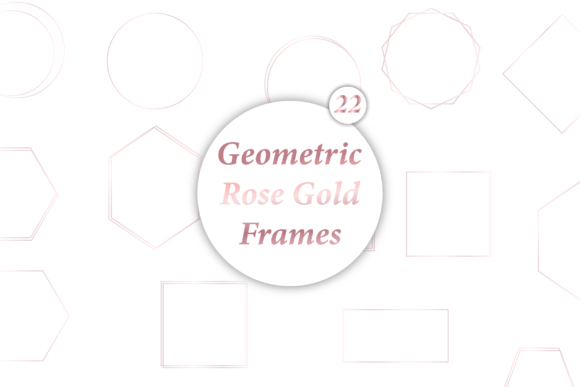
The moment I unzipped the Geometric Rose Gold Frames package, I knew these weren’t just any ordinary clip art frames. The geometric structure gives them a clean, contemporary feel, while the rose gold accents introduce a warm, elegant touch. These are not bold or flashy; instead, they exude quiet sophistication. The 12 different designs vary enough to allow for customization without feeling repetitive. Each frame has a strong visual personality—modern yet timeless—which makes me think of custom apparel, personalized gifts, and boutique branding projects right away.
What stands out most is how versatile the theme is. Whether you're working on a wedding invitation mockup, a tote bag design, or even a baby embroidery project, the geometric shapes offer a structured layout that can be adapted easily. The balance between negative space and detail is well-considered, which means they won’t overwhelm smaller embroidery areas like patches or caps.
Putting It to the Test: A Tote Bag Project
To test the practicality of Geometric Rose Gold Frames, I applied one to a custom embroidered tote bag using cotton canvas. I paired the frame with a central quote in cursive font, aiming for a chic, handmade product suitable for a craft fair or Etsy listing. The result was impressive. The rose gold elements added depth and shimmer when stitched with metallic threads, while the geometric lines gave a sense of order and style.
On thicker fabrics like canvas, the satin stitch outlining the frame held up well. However, I noticed that some of the finer details in the corners required closer inspection. While the design works beautifully as a decorative accent, it's important to remember that embroidery is tactile—and sometimes those delicate parts don’t translate perfectly in stitch form, especially if you’re using light-colored thread on dark backgrounds.
Stitch Density and Fabric Texture
One thing to keep in mind is stitch density. The design includes both fill and satin stitches, which is great for layering text or images within the frame. But when used on stretchy or thin fabrics, there’s a risk of puckering or distortion. I recommend testing it on a scrap piece first, particularly if you're planning to use it on items like sweatshirts or aprons made from woven blends or knits.
Fabric texture also plays a role. On smooth materials like quilting cotton or felt, the rose gold effect is crisp and defined. But on more textured surfaces like linen or burlap, the same design might lose clarity unless you adjust your stitch types accordingly. For example, switching from running stitch outlines to tighter satin stitch can help maintain sharpness on rougher textiles.
Where This Design Excels
- Sweatshirt embroidery: The geometric layout pairs nicely with names or short phrases, creating a stylish graphic without being too busy.
- Boutique branding: Use these frames around store logos or taglines for a cohesive, upscale look across merchandise.
- Handmade product packaging: Wrap them around illustrations or handwritten notes for a personal touch on cards, stickers, or web previews.
- Holiday gift tags: Add a festive flair by embedding seasonal messages inside the frames.
- Embroidered patch work: These designs lend themselves well to small-scale applique, especially if you simplify the inner details.
I found the frames particularly effective when used as a background for other design assets. Their structure helped guide the eye toward the central message, making them ideal for printable mockups or digital embroidery files meant for online sales. As a craft business owner, this could mean more than just aesthetics—it adds value and professionalism to your small shop products.
When to Use Caution
- Small hoop sizes: Some of the frames have intricate corners that may require careful resizing. If you’re working in a tight space, consider selecting simpler variants.
- Dark fabric: The rose gold tones might not pop as much against black or navy bases. Always do a black-and-white mockup before stitching to ensure visibility.
- Curved surfaces: On items like caps or curved pillow covers, the geometry might warp slightly. Confirm the hoop size and test on similar curves beforehand.
- Frequent washing: Metallic threads used in the rose gold accents can fade over time. If you’re making items like kitchen towels or baby clothes, consider using all-purpose thread or reinforcing the design with a good stabilizer.
These aren't flaws per se—they're just things to be aware of when choosing the right application. Every embroidery project deserves a thoughtful approach, and this design is no exception.
Customer Reactions and Marketability
After presenting the test tote to a few potential customers at a local craft show, the feedback was overwhelmingly positive. People appreciated the modern aesthetic and the way the rose gold subtly elevated the overall look. One customer mentioned that she’d buy it as a holiday gift because it looked “put-together but still handmade.” That’s exactly the kind of response that boosts product value and customer trust.
From a commercial embroidery standpoint, the design’s adaptability helps in maintaining brand consistency. You can use variations of the same frame across multiple products, which builds recognition. And for Etsy sellers or handmade shop owners, the frames make your listings stand out in a sea of generic templates.
Design Notes for Maximum Impact
- Always test the design on scrap fabric before committing to a final product.
- Check thread color contrast to ensure readability, especially on darker bases.
- Review stitch density to avoid puckering on delicate or stretchy materials.
- Confirm the hoop size needed for each design variation. Not all frames will fit in a 4x4 hoop.
- Inspect small details like corners or inner lines for clarity post-stitching.
- Try a black and white mockup to evaluate how the design holds up without color bias.
- Use the appropriate stabilizer depending on the fabric type—cutaway for stretch, tear-away for cottons.
- Before selling finished items or digital products, check licensing terms to confirm commercial use rights.
One thing I appreciate about this pack is that it doesn’t force you into a specific niche. Whether you're designing tote bags, sweatshirts, or personalized gifts, the frames add a polished finish that feels intentional. They work equally well as standalone embroidery file graphics or as part of a layered machine embroidery design.
Final Thoughts for Creative Entrepreneurs
If you're looking to elevate your custom apparel line or create standout holiday embroidery items, the Geometric Rose Gold Frames are worth considering. They bring a refined edge to otherwise simple projects and open the door for creative experimentation. Just remember to tailor their use to your materials and audience expectations.
For apparel decorators and digital product sellers, this design set serves as a valuable addition to your design assets. It’s not just about adding a pretty border—it’s about crafting an experience that customers will recognize and return to.
In short, these frames are a solid choice for anyone who values subtlety and structure in their embroidery. With a bit of preparation and testing, they can become a reliable staple in your finished product lineup.