Continuous Line Drawing Heart Svg: A Simple Yet Impactful Embroidery Design
As an experienced embroidery designer and product reviewer, I’ve evaluated countless SVG files for both personal projects and commercial use. When I first opened the Continuous Line Drawing Heart Svg, its minimalist aesthetic immediately caught my attention. This design isn’t just another heart—it’s a clean, flowing one-line illustration that brings a modern and elegant touch to any embroidered piece. Let’s take a closer look at how it performs in real-life embroidery applications and what you need to know before using it on your next project.
A First Glance at the Design
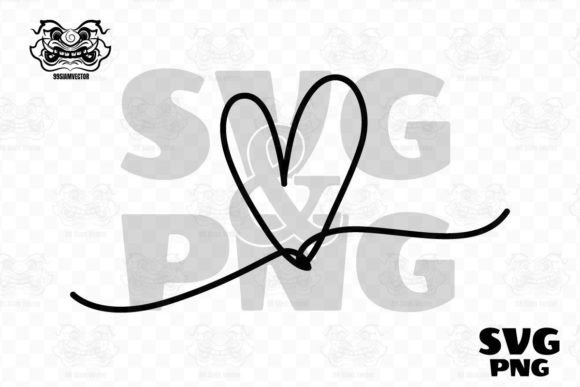
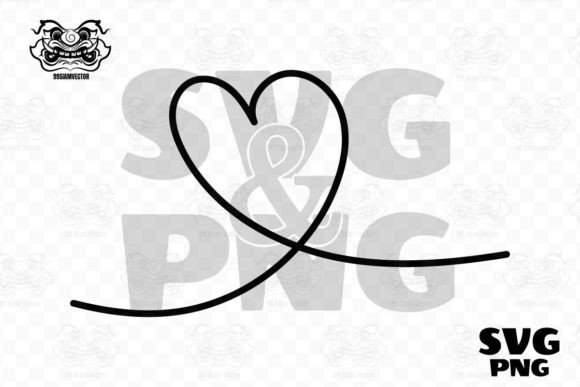
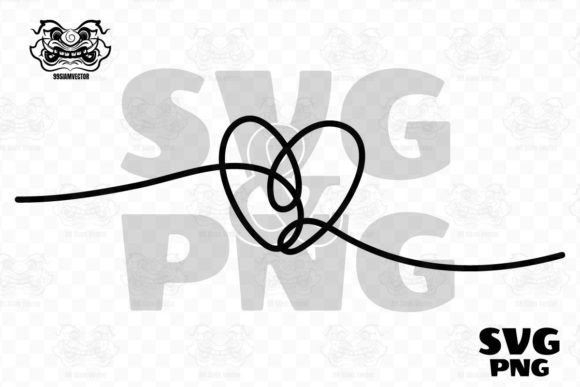
The Continuous Line Drawing Heart feels intentionally crafted with simplicity in mind. Unlike intricate hearts filled with floral details or 3D shading, this one relies on a single unbroken line to form its shape. The result is a soft, organic silhouette that exudes warmth and charm. It doesn’t scream for attention but rather invites admiration through its subtlety.
From a visual standpoint, it has a timeless appeal. It could easily be mistaken for a hand-drawn sketch due to its smooth curves and lack of rigid angles. This makes it ideal for handmade products where a natural, artisanal feel is desired. The layout is balanced—neither too large nor too small—and can be resized without losing much of its character, provided you respect the integrity of the line work.
Real-World Application: Custom Sweatshirt Embellishment
To test the Heart svg, I used it on a custom sweatshirt for a client who wanted a subtle, romantic motif for their daughter’s birthday. The design was placed centrally on the chest area, sized to about 4 inches tall. I opted for a light pink thread on a grey fabric, which created a gentle contrast.
After stitching, the heart looked like a delicate sketch brought to life through embroidery. It didn’t overwhelm the garment but added a refined, personal touch. The stitch clarity was excellent when using a running stitch or satin stitch outline, preserving the fluidity of the original drawing. However, when I tried fill stitches inside the shape, the detail got lost, and the heart felt heavier than intended.
This led me to conclude that the one line art svg works best as an outline or applique-style design. It’s not suited for dense fills unless you're going for a completely different aesthetic—one more graphic than illustrative.
Where It Shines
- Tote bag designs: The heart looks stunning on cotton canvas tote bags, especially when paired with monogramming or short text phrases like “love” or “grateful.”
- Sweatshirt embroidery: On thicker fabrics like fleece, the heart maintains its definition and becomes a charming focal point.
- Baby clothes and nursery decor: Its soft lines make it perfect for baby items, where a whimsical yet simple motif is often preferred.
- Wedding gifts and valentines day projects: As a standalone wedding svg or part of a love-themed set, it adds a sophisticated, personalized element.
- Embroidered patches: Used as a patch, the heart stands out beautifully on denim jackets, backpacks, or even leather accessories.
When to Use Carefully
While versatile, there are situations where this design may not perform as expected:
- Small hoop sizes: The continuous line nature means it lacks internal structure. If you resize it too small, the fine strokes might become difficult to follow, risking misalignment or breakage during stitching.
- Stretchy or thin fabrics: These materials can distort the delicate line work if not properly stabilized. Always use cutaway stabilizer for stretchy knits.
- Detailed corners and tiny lettering: Since the design doesn’t include letters or sharp points, it won’t suit projects requiring complex typography or corner detailing.
- Dark fabric backgrounds: Thread colors must contrast well with the base fabric. Consider lighter threads or metallic accents for visibility.
- Curved surfaces like caps or hats : Resizing and positioning on curved areas can cause the heart to appear stretched or uneven. Test carefully before committing to production.
- Products needing frequent washing: While the design itself is straightforward, ensure the chosen thread colors and stabilizers are suitable for repeated laundering, especially in craft business settings.
Design Notes from a Professional Perspective
Here are some practical tips based on my experience with this machine embroidery design:
- Test on scrap fabric first. Especially if you’re planning to use it on a new material or for a commercial run, a quick trial stitch will reveal how the line translates into physical embroidery.
- Check thread color contrast. The heart’s simplicity means the right thread choice is crucial. Darker threads on white shirts pop; pastels on darker fabrics can blend in unexpectedly.
- Review stitch density. For this type of design, lower-density running or satin stitches work best. Dense fills may compromise the artistic intent and lead to puckering.
- Confirm hoop size. Resize accordingly, but be mindful that reducing the scale too much may affect stitch quality and overall appearance.
- Inspect small details. Though the heart doesn’t have many, check for any breaks or inconsistencies in the line, especially when resizing or editing the file.
- Use proper stabilizer. Light-weight tear-away is usually sufficient for most apparel, but always adjust based on fabric type and design placement.
- Test black and white mockups. Because the design is so minimal, seeing how it looks in grayscale can help determine whether it’ll still stand out in low-contrast environments.
- Compare fabric backgrounds. Try the heart on both light and dark materials to understand how versatile it truly is across your product range.
- Check machine compatibility. Although SVG files are common, always convert them to your machine’s native format (like DST, PES, or EXP) and verify performance.
- Confirm licensing before selling. If you plan to use this design in commercial embroidery projects or digital product previews, make sure the license allows for resale of finished goods or digital downloads.
Impact on Product Value and Branding
In the world of handmade products, presentation matters. The Continuous Line Drawing Heart elevates the perceived value of items by offering a unique, non-generic look. Whether you're an Etsy seller crafting personalized gifts or a boutique owner designing branded merchandise, this heart can add a signature touch to your lineup.
For small shop products, the design helps maintain brand consistency without being overused. It’s versatile enough to pair with other motifs while still standing alone as a meaningful symbol. Customers appreciate the attention to detail and the sense of care behind such thoughtful illustrations.
Its neutrality also makes it giftable in multiple contexts. A mother might love it on a baby blanket; a couple could cherish it as a wedding gift accent. That kind of adaptability is rare and valuable for digital product sellers and creative entrepreneurs aiming to expand their offerings.
Final Thoughts for Embroidery Projects
The Continuous Line Drawing Heart Svg is a great addition to your design assets library. It's not the flashiest heart around, but it’s far from forgettable. Its understated elegance and flexibility in application make it a go-to for holiday embroidery, personalized gifts, and commercial embroidery alike.
However, don’t treat it like a generic clipart heart. Think of it as an illustration that demands thoughtful placement and technique. The right thread color, stitch type, and stabilizer can make all the difference between a flat print and a dimensional masterpiece.
If you're looking for something that feels handcrafted yet professional, this design fits the bill. Just remember to approach it with care—especially on tricky materials or small formats. With the right preparation, it can become a staple in your embroidery project toolkit, adding personality and polish to everything from valentine shirt svgs to heart stickers svg for DIY kits.