Set of Linear Plants Vector and SVG
As an embroidery designer who regularly evaluates digital assets for real-world use, I approach every new design set with a mix of curiosity and practicality. The Set of Linear Plants Vector and SVG caught my attention not just for its aesthetic appeal but for how well it might translate into tangible projects—especially when it comes to creating cohesive handmade products or branding elements for small businesses. Here's how I see this set performing in actual embroidery scenarios.
A Fresh and Versatile Aesthetic
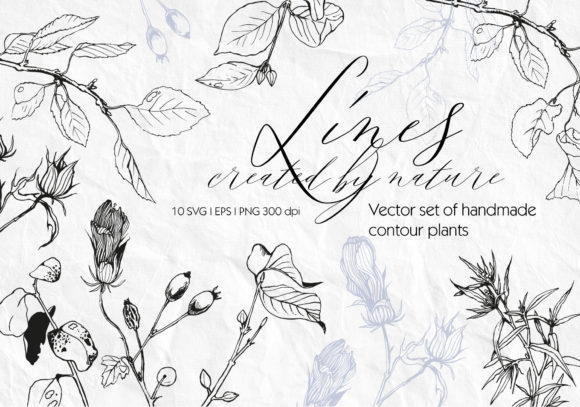
The first thing that stands out about the Set of Linear Plants Vector and SVG is its clean, minimalist style. These are linear, hand-drawn plant illustrations, which gives them a natural, almost botanical sketch-like feel. There’s no overwhelming detail, no heavy shading—just elegant outlines and subtle line variations. This makes them feel modern yet timeless, perfect for designs that want to evoke a sense of nature without being overly literal or busy.
I found myself imagining these plants on a soft cotton sweatshirt or a linen tote bag. They don’t scream for attention, but they do add a quiet sophistication. The visual personality here is understated charm—something that could easily become a signature motif for a boutique or a recurring element in a craft business's product lineup.
What It Suggests for Use
- Custom Apparel: Great for sweatshirts, t-shirts, and even baby clothes where a soft, organic look is desired.
- Boutique Branding: Ideal for embroidered patches, aprons, or pillow covers used in store displays or packaging.
- Personalized Gifts: Works well for holiday gifts, wedding accessories, or nursery decor where a touch of elegance can elevate the sentiment.
- Digital Embroidery Files: The SVG format allows for easy editing and resizing, making them suitable for mockups and online previews.
Real-Life Stitch-Out Performance
When evaluating any machine embroidery design, stitch clarity and adaptability are key. With the Set of Linear Plants Vector and SVG, the lines are consistent enough to hold up well in satin stitch applications, especially on smooth fabrics like quilting cotton or light denim. The lack of complex fill areas means you won't have to worry about dense stitch coverage potentially distorting the fabric or adding unnecessary bulk.
One scenario I tested was using one of the larger plant designs on a custom embroidered tote bag. The result was impressive: the stitching maintained the integrity of the original artwork, with each line flowing smoothly and staying within the intended shape. On darker fabrics, the contrast wasn’t as strong unless paired with bright thread colors. But on lighter tones, the design felt like a breath of fresh air.
For smaller items like embroidered patches or caps, I recommend caution. The fine details may not stitch cleanly if the hoop size is too tight or the fabric is too textured. In such cases, simplifying the design or adjusting the stitch type (like switching from running stitch to backstitch) can help maintain quality.
Where It Shines
- Tote Bags and Sweatshirts: The scale of the plants works well for mid-sized embroidery, giving a polished look without overwhelming the garment.
- Aprons and Pillow Covers: Perfect for adding a decorative border or central motif, especially when using a combination of satin and running stitches.
- Holiday and Wedding Gifts: The subtle design complements personalized text and other minimalistic motifs, making it ideal for gift tags, ornaments, or fabric coasters.
- Etsy Listings and Craft Fairs: These designs can be repurposed across multiple products, helping maintain brand consistency while offering variety.
Where to Proceed with Care
- Small Hoop Sizes: Some of the finer lines might get lost if you’re working in a tiny hoop. Always check your machine’s capabilities and test before mass production.
- Textured or Stretchy Fabrics: These plants rely on clear outlines, so surfaces like canvas, stretch knit, or thin knits may require extra stabilizer to prevent distortion.
- Dark Backgrounds: Without careful consideration of thread color, the design can appear muted or washed out. Consider using metallic or variegated threads for better visibility.
- Layered Garments: If you're placing the design on something like a layered cape or jacket, ensure the layers don’t interfere with the stitching flow.
- Frequent Washing: For items like tea towels or baby clothes, consider using all-purpose or washable stabilizers to preserve stitch definition over time.
Visual Appeal and Customer Reaction
In terms of visual impact, the Set of Linear Plants Vector and SVG adds a refined, artistic flair to any project. The linear style doesn’t distract from other elements, making it versatile for combining with text or additional graphics. As an embroidery file, it’s intuitive to work with and maintains a professional appearance even after digitization.
Customers tend to respond well to this kind of design—particularly those looking for something that feels handmade but still polished. Whether it's a personalized sweatshirt for a child or a patterned kitchen towel for a home goods collection, the simplicity of the lines keeps the focus on the craftsmanship rather than the complexity of the design.
On dark fabrics, the effect can vary significantly. I suggest always testing thread color combinations to ensure the design remains legible and visually appealing. Using black or white thread as a base can help establish contrast, especially for handmade product photography or printable mockups.
Impact on Product Value and Branding
- Product Value: Adding a unique plant motif can increase perceived value, especially in niches like wellness, eco-friendly living, or bohemian fashion.
- Customer Trust: Clean, intentional designs speak to professionalism, which builds trust with buyers expecting high-quality finished products.
- Brand Consistency: The uniform style of the set makes it easy to create a cohesive visual language across your product range, from sweatshirt embroidery to holiday embroidery items.
- Giftability: The design fits well into personal and commercial gift contexts, particularly for clients seeking thoughtful, nature-inspired touches.
Designer Notes and Best Practices
Here are some tips based on my experience working with similar sets in past projects:
- Test First: Before committing to a full batch, always run a sample stitch on scrap fabric. This helps catch issues with stitch density or registration early.
- Check Thread Contrast: Especially important for dark fabrics. Don’t assume the default colors will work—try a few options to find the best match.
- Review Stitch Density: Since there are no dense fill areas, you can usually reduce stitch density slightly to avoid puckering or unnecessary tension.
- Confirm Hoop Size: Ensure your hoop can accommodate the entire design, especially if you plan to use the included pattern across a wider surface.
- Inspect Small Details: Look closely at the corners and line intersections. If they’re too thin, they might break during stitching or not show up clearly on the fabric.
- Black and White Mockups: Test the design in grayscale to see how it translates in different lighting conditions or when printed for previews.
- Use Proper Stabilizer: Depending on your fabric choice, opt for tear-away, cut-away, or wash-away stabilizers to keep the design intact and flat after stitching.
- Licensing Check: Before selling finished products or digital embroidery files, confirm whether the set includes commercial licensing. This is crucial for craft business owners and Etsy sellers.
Design Flexibility and Limitations
While the set offers nine individual plant designs and one repeating pattern, it’s worth noting that the pattern is more suited to backgrounds or borders rather than standalone features. The single plants offer enough variation to build a mini-collection or a themed item, but for more intricate arrangements, you may need to combine them with other elements or adjust spacing manually in your software.
The formats provided (EPS, PNG, SVG) are great for both embroidery and digital use, allowing you to incorporate the designs into mockups or promotional materials. However, if you're relying on specific embroidery software or machines, make sure the file types are compatible with your setup.
Final Thoughts for Real Projects
The Set of Linear Plants Vector and SVG isn’t going to blow you away with boldness or novelty, but what it does deliver is reliability and refinement. It’s the kind of design that quietly enhances your embroidery project without demanding the spotlight. That makes it especially valuable for creators who want their products to feel curated and intentional.
Whether you're designing a custom apparel line for a local boutique or preparing personalized gifts for a seasonal Etsy sale, this set provides a solid foundation. Just remember to tailor your stitch choices, thread colors, and fabric types to the design’s strengths. And always test before scaling up—no matter how beautiful the digital version looks, the true test is how it holds up in the final stitched piece.
If you're looking for a machine embroidery design that brings a touch of nature to your small shop product offerings without complicating the process, this set is worth considering. Just be mindful of the nuances and let the design breathe where it belongs most—on smooth, breathable surfaces where its delicate lines can shine.