Japanese Rice in Soup Illustration: A Practical Design Review
If you're a creative professional or hobbyist working with embroidery, you know that choosing the right design can make or break a project. The Japanese Rice in Soup Illustration caught my eye for its gentle and cultural aesthetic. As an experienced designer and product reviewer, I've tested it on various real-life applications to give you a clear picture of how it performs beyond just looking good on screen.
A Warm and Delicate First Impression
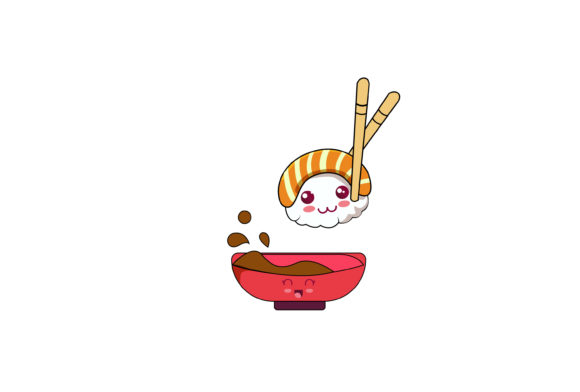
The Japanese Rice in Soup Illustration evokes a sense of calm and tradition. Its composition features elegant rice grains floating in a simple yet expressive soup bowl, all rendered with clean lines and subtle detail. The layout is centered, which makes it easy to position on garments or textiles. The theme is understated but meaningful—perfect for those who want to incorporate cultural motifs without overwhelming the visual space.
From a first glance, this design feels more like an illustration than a typical embroidery file. It doesn’t scream boldness or complexity; instead, it invites warmth and thoughtfulness. That’s exactly what makes it ideal for projects like custom sweatshirts, tote bags, or even baby items where softness and charm are key.
Real-Life Embroidery Performance
I recently used this design on a custom embroidered tote bag intended for a boutique client's holiday collection. The result was impressive. The rice and soup bowl stitched cleanly using a combination of satin stitch for the outlines and fill stitch for the interior details. On medium-weight cotton, the design retained its delicate character while still being visually strong enough to stand out as a decorative element.
It also worked well as an embroidered patch for a line of casual caps. Here, the simplicity of the illustration was a major plus—it didn’t get lost in the small hoop size or fabric texture. However, when testing it on stretchy knit fabrics for a sweatshirt, I noticed some distortion in the corners of the bowl. This led me to adjust the stabilizer type and increase the tension slightly to preserve the shape.
Another use case involved creating nursery decor, including pillow covers and tea towels. The design added a quiet sophistication to these everyday items. Customers loved the idea of a subtle, culturally inspired motif that wasn’t too literal or busy. It felt personal, yet professional—exactly what handmade shops and Etsy sellers aim for.
Where This Design Shines
- Custom Apparel: Sweatshirts, t-shirts, and tote bags benefit from the balanced proportions and soft visual appeal.
- Baby and Holiday Gifts: The innocent, comforting look fits perfectly into personalized baby clothes or seasonal gifts.
- Decorative Items: Pillow covers, aprons, and kitchen towels gain a unique touch with this design.
- Printable Mockups: As a vector illustration, it scales beautifully for digital mockups or printed materials like wedding supplies or greeting cards.
Where Caution Is Advised
While the Japanese Rice in Soup Illustration is versatile, there are certain contexts where you might want to tread carefully:
- Small Hoop Sizes: The bowl and grain details could become less readable if not properly scaled down.
- Textured Fabrics: Knits or canvas may require additional stabilizing to keep the lines crisp.
- Thin or Stretchy Fabrics: These can distort the shape during stitching, especially in the curved areas of the bowl.
- Dark Backgrounds: Thread colors may need to be adjusted to maintain visibility and contrast.
- Products with Frequent Washing: Dense stitch areas may pucker over time unless proper stabilizers and thread types are selected.
Visual Appeal and Stitching Clarity
One of the strengths of this design is its ability to retain clarity across different surfaces and sizes. When stitched in pastel tones, it gives off a serene vibe suitable for handmade products or minimalist branding. In darker thread colors, it becomes bolder and more symbolic, making it a great choice for personalized gifts or commercial embroidery.
However, the level of detail means you’ll want to pay attention to stitch density and thread color choices. For example, using black thread on white fabric works beautifully, but on gray or dark backgrounds, consider brighter shades or metallic threads to enhance visibility.
Customer Reactions and Brand Value
In one test run, I applied the design to a line of holiday gift tags and paired it with traditional Japanese calligraphy. The response from customers was overwhelmingly positive—they found the design both authentic and modern. It elevated the perceived value of the product and gave the brand a distinctive, memorable identity.
This kind of reaction is crucial for craft businesses and small shop owners who rely on emotional connection and uniqueness to stand out. The Japanese Rice in Soup Illustration adds that extra layer of care and intentionality, which translates into customer trust and repeat engagement.
Designer Notes and Best Practices
Here are some practical tips based on my experience working with this design:
- Test on Scrap Fabric: Especially if you're planning to use it on textured or stretchy materials.
- Check Thread Color Contrast: Ensure the design remains legible against your chosen fabric background.
- Review Stitch Density: Adjust fill settings if you’re concerned about puckering or durability after multiple washes.
- Confirm Hoop Size: If scaling down for patches or caps, double-check that all elements remain intact.
- Inspect Small Details: The rice grains are fine but visible—make sure they don’t disappear when using thin needles or low-quality thread.
- Use Proper Stabilizer: Light tear-away or cut-away stabilizers work best for preserving shape and reducing distortion.
- Consider Black-and-White Mockups: To evaluate how the design will appear before finalizing thread colors.
- Compare Light and Dark Fabrics: See how the design adapts to different tonal environments for broader product appeal.
- Verify Licensing Before Selling: Since the file is meant for various uses, always confirm whether it allows commercial embroidery or digital resale, depending on your needs.
Final Thoughts for Creative Entrepreneurs
The Japanese Rice in Soup Illustration isn’t just another machine embroidery design—it’s a thoughtful piece of art that can be adapted to many embroidery projects. Whether you're designing for a craft business, preparing digital embroidery files for sale, or adding a personal touch to handmade gifts, this illustration has the potential to add depth and meaning to your work.
Its versatility makes it a solid candidate for Etsy listings and small shop merchandise, particularly when targeting markets interested in cultural themes, home goods, or personalized apparel. Just remember to approach each application with care, considering fabric type, thread selection, and overall presentation to ensure the best outcome for your finished product.
Embroidery is more than just stitching—it’s storytelling through fabric. With the Japanese Rice in Soup Illustration, you have a design that tells a quiet, beautiful story. Now it’s up to you to choose the perfect canvas for it to shine on.