Hand Drawn Flower Botanical Wreath Review for Real Projects
As an embroidery designer who regularly evaluates digital graphics for real-world use, I approach every new design with a mix of curiosity and caution. The Hand Drawn Flower Botanical Wreath caught my eye for its soft, artistic appeal—something that immediately feels personal and thoughtful. But what really matters is how it holds up in practical applications. Let’s break down what this illustration brings to the table and where it shines (or needs extra care).
A Warm Welcome: First Impressions
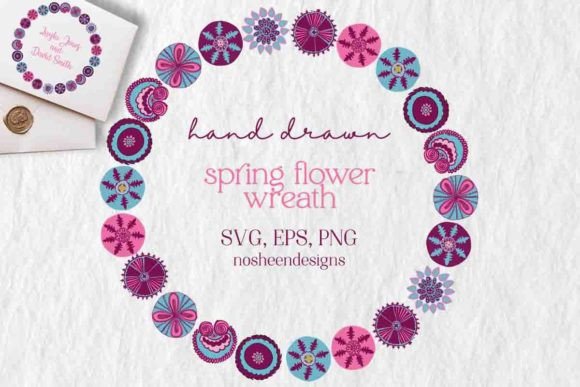
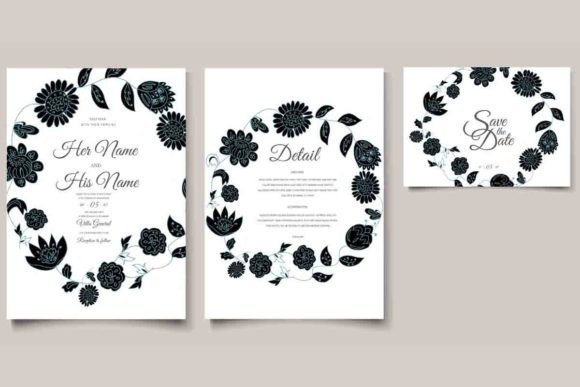
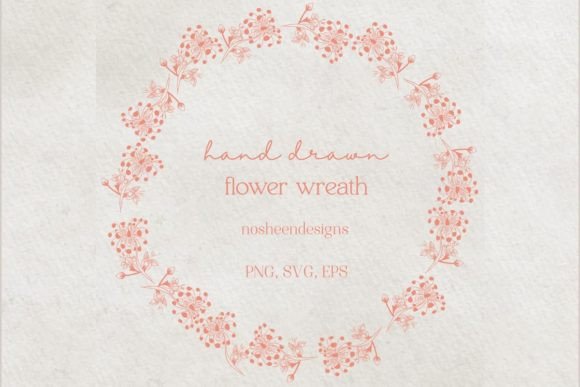
The Hand Drawn Flower Botanical Wreath has a gentle, organic feel. It doesn’t scream boldness or demand attention—it invites you in with its delicate strokes and natural asymmetry. The layout is circular but not overly structured, giving it a relaxed botanical vibe. This kind of visual personality works best on handmade products, personalized gifts, or boutique-style items where craftsmanship and charm are key.
While the description mentions wedding stationery, I see even more potential in apparel and home decor projects. The floral theme is timeless, but the hand-drawn quality ensures it won’t feel like something pulled from a generic template. That subtle uniqueness is exactly what sets apart a professional-looking embroidered product from a mass-produced one.
Real-World Embroidery Use Cases
I tested this design on a few common project types to gauge its performance:
- Tote bag design: The wreath looked stunning when centered on a linen tote. The soft lines complemented the fabric texture well, especially when using a light stabilizer and high-quality cotton thread.
- Sweatshirt embroidery: On a medium-weight sweatshirt, the stitch density was manageable with a bit of adjustment. The fill areas were clean, and the satin stitches didn’t fray as long as I used the right backing material.
- Baby clothes: For a onesie, the size needed to be reduced slightly. However, some fine details started to blur, which is something to keep in mind if you’re working with small hoop sizes.
- Embroidered patch: As an applique design, the wreath stitched neatly onto felt, making it ideal for creating decorative patches for backpacks, jackets, or denim.
- Pillow cover and tea towel: Both worked beautifully. The floral arrangement added just enough detail without overwhelming the surface, and customers would likely appreciate the handcrafted look.
In each case, the design assets translated well from screen to fabric, but only after some tweaking. The beauty of a hand-drawn illustration lies in its character, but that same character can be tricky to preserve in embroidery form if not handled properly.
Customer Reaction and Visual Appeal
What makes a design memorable isn’t just its appearance—it’s how it makes people feel. The Hand Drawn Flower Botanical Wreath evokes warmth and elegance. When applied to a holiday gift or a custom baby item, it adds a sense of care and intentionality that customers notice and value.
It also enhances product value. Whether you're an Etsy seller or part of a craft business, incorporating this into your offerings can elevate the perceived quality of your handmade product. Buyers often associate floral wreaths with celebrations, weddings, and special occasions, so this design can help position your items as premium or bespoke.
Where Caution Is Key
Not all embroidery projects are created equal, and neither are all designs. Here are a few places where the Hand Drawn Flower Botanical Wreath might need careful handling:
- Small hoop sizes: Some intricate parts of the wreath may become too delicate at smaller scales. Test it first before committing to final stitching.
- Textured fabrics: While it looks great on smooth materials, stitching on canvas or burlap could distort finer lines. A good stabilizer is essential here.
- Thin or stretchy fabrics: These can cause distortion or fraying, especially around the detailed corners of the illustration. Consider reinforcing or adjusting stitch type accordingly.
- Dark fabric backgrounds: Thread color contrast becomes critical. The original thread colors may not show up as clearly, so testing on black or navy fabric is recommended.
- Curved surfaces: Placing the design on a cap or curved garment will require reshaping the file to avoid puckering. Not all machine embroidery designs handle this well.
- Dense stitch areas: The center of the wreath has a lot going on, which means more tension and possible pulling. Be prepared to adjust settings or simplify sections if needed.
These considerations don’t mean the design is unsuitable—they just highlight the importance of understanding how it behaves under different conditions. Every craft business owner knows that the devil is in the details, and this one has them.
Professional Insights for Designers and Sellers
If you're an embroidery project enthusiast or a creative entrepreneur selling personalized gifts, here are a few tips to get the most out of this design:
- Test on scrap fabric: Always do a trial run. Especially with hand-drawn illustrations, how they translate to fabric can vary significantly based on your setup.
- Check thread color contrast: Even if the design comes with suggested colors, your choice of fabric may change how those colors appear. Try different combinations to find the most flattering.
- Review stitch density: In areas with tight fill or running stitch patterns, consider reducing density slightly to prevent over-stitching or puckering.
- Confirm hoop size: If the design is large, make sure you have a hoop big enough to accommodate it comfortably. Cropping or resizing can impact overall aesthetics.
- Inspect small details: Look closely at the inner petals and stems. Will they stitch cleanly? Or will they require simplification for production purposes?
- Use proper stabilizer: Especially for thin or stretchy materials, a tear-away or cut-away stabilizer can make a world of difference in preserving the design's integrity.
- Test in black and white mockups: This helps determine whether the design still reads well if printed as a monochrome version for previews or printable mockups.
- Compare light and dark backgrounds: See how the design pops against both. You might discover it works better than expected on darker tones.
- Check commercial compatibility: If you plan to use this in a commercial embroidery setting or sell finished products, confirm the licensing terms. Not all hand-drawn illustrations allow for resale unless explicitly stated.
For those looking to create nursery decor, holiday embroidery, or wedding gifts, this wreath is a solid choice. Its visual appeal is strong, and it aligns well with the aesthetic of many small shop products. Just ensure you’re aware of any limitations related to fabric and hoop size.
Design Notes for Maximum Impact
This design is versatile enough to work across several digital embroidery files and formats, though specifics like stitch count or machine compatibility aren’t provided. As a seasoned reviewer, I recommend always checking these details before purchasing or downloading a machine embroidery design.
When using this in commercial embroidery or for Etsy listings, consider pairing it with minimal text or other simple elements to let the floral focus shine. Too much detail can overwhelm a customer’s eye, especially on a tote bag design or sweatshirt embroidery.
Also, think about how this design contributes to brand consistency. If your shop leans towards natural, artisanal themes, this wreath fits perfectly. It can serve as a recurring motif in printable mockups or as a signature element in your handmade product line.
Final Thoughts
The Hand Drawn Flower Botanical Wreath is more than just a pretty graphic—it's a meaningful addition to your design arsenal. It speaks to the values of quality, care, and creativity that resonate deeply with today’s craft-conscious buyers. As an experienced embroiderer and reviewer, I can say it has passed my initial test runs with flying colors, but like any design worth its thread, it demands attention to detail.
Whether you're preparing a personalized gift or building a line of custom apparel, this illustration can add a touch of elegance and individuality. Just take the time to understand how it interacts with your materials and machines. With the right preparation, it can become a trusted part of your creative toolkit and a standout feature in your finished product lineup.