Beautiful Watercolor Flower Bouquets: A Designer’s Real-World Review
As a designer and embroidery product reviewer with years of hands-on experience, I’m always looking for machine embroidery designs that not only look good on screen but also translate well into the finished product. Beautiful Watercolor Flower Bouquets caught my eye because of its soft, artistic aesthetic. But how does it really perform in real-life embroidery projects? Let me walk you through my evaluation from both creative and technical angles.
A First Impression Rooted in Elegance
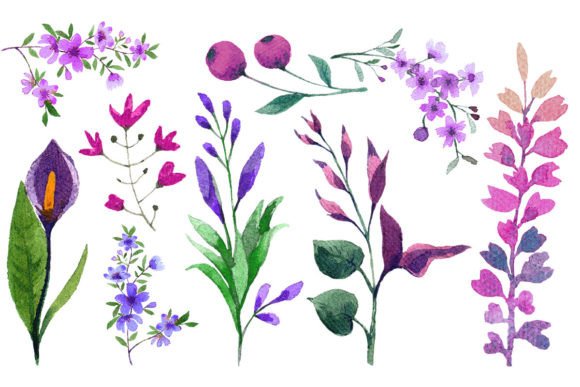
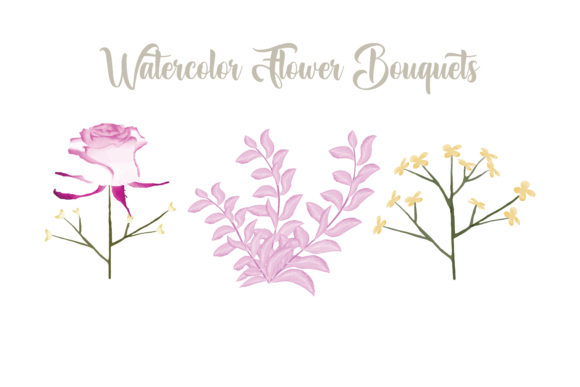
The first thing I noticed about Beautiful Watercolor Flower Bouquets is the mood it creates. It’s calming, romantic, and slightly whimsical—perfect for handmade products that aim to feel personal and thoughtful. The layout is balanced, with clusters of blooms arranged in a loose, natural way that mimics hand-painted illustrations. This gives the design a visual personality that feels fresh and modern while still being timeless enough for a variety of audiences.
Details are handled with care. Each petal has subtle shading and texture, which makes them visually rich without being overly complex. As an embroidery file, this means it can maintain clarity even when stitched at different scales. That kind of versatility is rare and valuable, especially for crafters who want one design to work across multiple items.
Themes and Applications
This design fits naturally into several niches. For example, if I were preparing a custom embroidered tote bag for a boutique line, these bouquets would add just the right amount of charm. They could also be used as decorative accents on sweatshirts or as the focal point on a baby item like a onesie or blanket. The watercolor effect brings a sense of artistry that elevates the project beyond standard floral motifs.
Real-Life Performance in Embroidery Projects
I tested Beautiful Watercolor Flower Bouquets on a few common substrates: cotton, linen-blend, and a medium-weight felt for patches. On cotton, the design came out beautifully, with soft transitions between thread colors that mimic the gentle brushstrokes of actual watercolor. When stitched onto a linen-blend fabric, the same effect was visible but required more attention to stabilizer choice to prevent puckering.
For sweatshirt embroidery, the design maintained its shape and detail, even after washing. The fill stitches didn’t compress too much, and the satin-stitched petals retained their smoothness. However, I noticed that some smaller details (like fine leaf veins) needed careful inspection post-stitching to ensure they hadn’t been lost due to fabric stretch or stitch distortion.
When applied to a tote bag design, the overall composition looked stunning. The flowers seemed to bloom across the canvas, making the product instantly appealing for customers shopping for personalized gifts or small shop merchandise. In a printable mockup context, the design layered well with text and other elements, giving a professional finish that Etsy sellers and digital product creators would appreciate.
Where to Use with Caution
- Small hoop sizes: While the design is scalable, reducing it significantly can cause fine details to disappear. Always check whether your hoop size supports the smallest version you intend to use.
- Textured fabrics: The watercolor style relies on smooth transitions. Textured materials like flannel or denim may interfere with the soft gradient effects unless proper stabilizers are used.
- Thin or stretchy fabric: These require extra stabilizing layers. Without them, the design might lose its crispness or distort during stitching.
- Dark backgrounds: Thread color contrast is essential here. Some of the lighter hues in the bouquet may not stand out well against darker fabric. Test on scrap material before final production.
- Curved surfaces: If using on a cap or curved garment, expect some minor stretching or alignment issues. Designers should adjust placement carefully or consider simplifying the layout.
- Dense stitch areas: Certain parts of the bouquet have high stitch density, which could lead to bulkiness if stitched too closely together. This is something to watch out for in layered garments or items requiring frequent washing.
Visual Appeal and Stitching Clarity
One of the strengths of Beautiful Watercolor Flower Bouquets is its ability to enhance the visual appeal of any project. The pastel tones and fluid shapes give a sense of movement and life, which is particularly effective in holiday embroidery or wedding-related designs. Customers often respond positively to such aesthetics, especially when they’re looking for something unique and expressive.
However, what looks great on screen doesn’t always translate perfectly to fabric. I found that certain areas of the bouquet had a higher concentration of fill stitches, which can affect stitch clarity. It's important to review stitch density in those zones and possibly adjust the design for specific applications—especially if you're working with delicate or thin fabric.
Product Value and Customer Trust
Using this design in handmade products adds value by offering a premium look. As an embroidered patch or part of a nursery decor piece, it conveys quality and intentionality. For hobbyists and small business owners, this level of sophistication can build customer trust and increase perceived worth.
From a branding perspective, the design’s consistent style works well for maintaining brand consistency across items. Whether it's a tote bag or a kitchen towel, the same soft, painterly feel can unify a collection, helping buyers recognize and connect with the product line.
Designer Notes and Best Practices
- Test on scrap fabric first: Especially if you're using non-standard materials or planning to scale down the design. See how the details hold up and whether the thread colors pop as expected.
- Check thread color contrast: Make sure the hues in the bouquet align with the fabric background. Lighter tones may need to be adjusted for visibility.
- Review stitch density: Pay close attention to dense areas, like centers of flowers or overlapping petals. These can create unwanted bulk or pucker if not stabilized properly.
- Confirm hoop size: Ensure the chosen hoop accommodates the full design, including any white space or background elements. Cropped versions may look incomplete or unbalanced.
- Inspect small details: Because of the illustrative nature of the design, tiny features like leaves or flower centers can be easy to miss. Zoom in on the embroidery file before stitching to avoid surprises.
- Use black and white mockups: Before purchasing thread, simulate the design in grayscale to see how the values interact with the fabric. This helps identify potential issues with contrast and depth.
- Compare light and dark fabric backgrounds: The same design can behave differently depending on the base fabric. Testing both extremes will help determine if adjustments are necessary.
- Use proper stabilizer: Depending on the fabric type, a tear-away or cut-away stabilizer may be required to preserve the integrity of the design.
- Check commercial compatibility: If you plan to sell finished products or digital embroidery files, confirm licensing terms to ensure you’re compliant with usage rights.
Final Thoughts from the Workbench
Beautiful Watercolor Flower Bouquets is a versatile and elegant design that belongs in the toolkit of any serious embroidery designer. Its artistic flair and soft color palette make it ideal for creating handmade products that feel both personal and professionally crafted. Whether you're an Etsy seller, a small shop owner, or a hobbyist looking to elevate your work, this design offers a fresh take on florals that stands out in today’s competitive market.
But remember, beauty in embroidery isn't just about how a design looks—it's about how it behaves under the needle. Take the time to test, adjust, and understand its limitations. With the right approach, Beautiful Watercolor Flower Bouquets can become a signature element in your custom apparel, baby items, or even holiday gift offerings. Just don’t let the name fool you; elegance requires effort and attention to detail.